
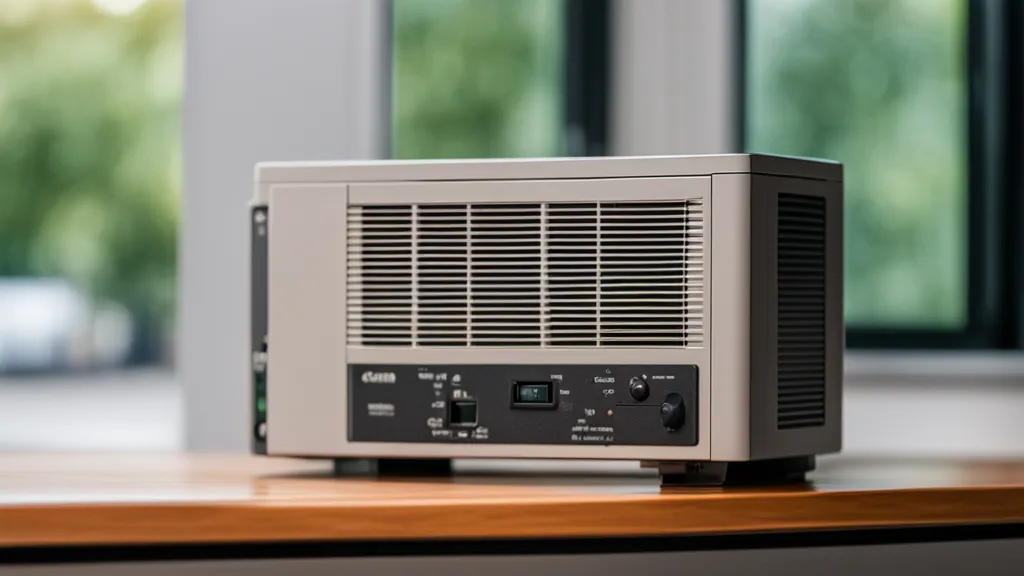
When considering air conditioning for your home or business in areas like Gawler, Barossa, Angle Vale, or Evanston, it’s crucial to think about more than just the unit itself. The electrical infrastructure supporting your air conditioner is just as vital for its efficient and safe operation. This discussion focuses specifically on the necessity of electrical circuit upgrades for air conditioning systems, a key component of broader air conditioning electrical services.
Modern air conditioning units, especially larger or more powerful models, often have significant electrical demands that older wiring or existing circuits may not be equipped to handle. Attempting to run a new, high-capacity AC unit on an inadequate circuit can lead to various problems, from frequent breaker trips to more serious electrical hazards. Understanding when and why an upgrade is needed can help ensure your comfort and safety.
Why Do Air Conditioners Require Dedicated Electrical Circuits?
Air conditioning systems are among the most power-intensive appliances in many residential and commercial properties. Unlike smaller devices that can share a general-purpose circuit, an AC unit, particularly a central or large split system, draws a substantial amount of current. To prevent overloading a circuit, which can cause overheating, tripped breakers, or even electrical fires, these units typically require their own dedicated circuit.
A dedicated circuit means the air conditioner is the only appliance drawing power from that specific circuit breaker. This setup ensures the unit receives a consistent and sufficient power supply without competing with other devices. Many situations involve older homes or businesses where the electrical panel might not have enough available circuits, or the existing circuits are already at their capacity. What usually causes problems is when a new, more powerful AC unit is installed without assessing the current electrical load and circuit availability.
The Dangers of Inadequate Electrical Circuits for AC
Operating an air conditioner on an insufficient or overloaded circuit poses several risks. One common scenario includes frequent tripping of the circuit breaker. While this might seem like a minor inconvenience, it indicates that the circuit is being pushed beyond its safe limits. Persistent tripping can shorten the lifespan of the breaker and potentially damage the AC unit itself.
More concerning are the safety hazards. An overloaded circuit can lead to overheating of wires, which can melt insulation and increase the risk of an electrical fire. Visible signs like flickering lights when the AC kicks on, burning smells from outlets or the electrical panel, or warm faceplates on switches or outlets near the AC unit are serious indicators of an overloaded circuit and should prompt immediate investigation by a qualified Gawler Barossa electrician. Ignoring these signs can lead to significant property damage or personal injury.
Identifying the Need for an Electrical Circuit Upgrade
Several factors suggest that your air conditioning system might benefit from an electrical circuit upgrade. One of the most straightforward indicators is the installation of a new AC unit. If you’re replacing an old, less powerful unit with a modern, high-efficiency model, it’s very likely that the new unit will have different electrical requirements. These newer units, while efficient in operation, often have higher starting currents or require a different voltage (e.g., 240V instead of 120V) than older models.
Another common scenario involves renovations or additions where new AC zones are being added. Each additional unit or zone will contribute to the overall electrical load, potentially necessitating new circuits or an upgrade to the main electrical panel. Many situations involve businesses expanding their cooling capacity, which almost always requires a professional assessment of the existing electrical infrastructure.
Signs Your Current Electrical Setup Isn’t Enough
- Frequent Breaker Trips: If your AC unit causes the circuit breaker to trip regularly, especially when it cycles on, it’s a clear sign the circuit is overloaded.
- Flickering Lights: Lights dimming or flickering when the AC unit starts up or runs can indicate a voltage drop due to an overloaded circuit.
- Hot Outlets or Switches: Touching outlets or switch plates and finding them warm to the touch is a serious warning sign of overheating wires.
- Burning Smells: Any unusual smells, particularly a burning plastic or metallic scent, coming from your electrical panel or near AC outlets, demands immediate attention.
- Incompatible Plugs/Outlets: If your new AC unit has a different type of plug than your existing outlets, it’s a strong indicator that the circuit voltage or amperage is incorrect.
These signs are not just inconveniences; they are warnings that your electrical system is under strain and potentially unsafe. Addressing these issues promptly with professional residential electrical services Gawler can prevent more significant problems down the line.
The Process of Electrical Circuit Upgrades for AC Systems
Upgrading an electrical circuit for an air conditioning system is a task that requires professional expertise. It typically begins with a thorough assessment of your existing electrical panel, wiring, and the specific power requirements of your AC unit. A qualified electrician will determine if your current panel has enough capacity for a new dedicated circuit or if a panel upgrade is also necessary.
The upgrade process generally involves installing a new circuit breaker in your electrical panel and running new, appropriately sized wiring from the panel directly to the air conditioning unit. This ensures the unit receives the correct voltage and amperage without overloading other circuits. Proper grounding and adherence to all local electrical codes are paramount during this process to guarantee safety and compliance. For instance, in Barossa, specific regulations govern electrical installations that must be followed.
What an Upgrade Entails
- Load Calculation: Determining the total electrical demand of your AC unit and other appliances to ensure the new circuit can handle it.
- Panel Inspection: Checking the main electrical panel for available space and overall capacity.
- Wiring Installation: Running new, heavier-gauge wiring from the electrical panel to the AC unit’s location. This might involve routing wires through walls, ceilings, or crawl spaces.
- Breaker Installation: Installing a new circuit breaker of the correct amperage in the electrical panel, specifically for the AC unit.
- Testing and Verification: Thoroughly testing the new circuit to ensure it functions correctly and safely, meeting all electrical standards.
Many situations involve the need for a new outdoor disconnect box near the AC unit as well, providing a safe way to cut power to the unit for maintenance or emergencies. This ensures that any 24/7 electrical services required for your AC can be performed safely.
Ensuring Safety and Compliance in Gawler and Barossa
Electrical work, particularly upgrades, must always be performed by licensed and experienced electricians. This is not just a matter of good practice but a legal requirement to ensure safety and adherence to Australian electrical standards. In regions like Gawler, Barossa, Angle Vale, and Evanston, local regulations and national codes govern all electrical installations and modifications.
A professional electrician will ensure that all wiring, circuit breakers, and connections comply with these standards, minimizing the risk of electrical hazards. They will also provide a certificate of compliance, giving you peace of mind that the work has been completed safely and legally. Attempting DIY electrical upgrades, especially for high-power appliances like air conditioners, is extremely dangerous and could void insurance policies or lead to significant fines.
Metrolec, as a local electrical services provider, understands the specific needs and regulations of the Gawler and Barossa regions. They are equipped to handle all aspects of air conditioning electrical circuit upgrades, ensuring your system operates safely and efficiently. Their prompt and reliable service means you can get the necessary upgrades done with minimal disruption to your home or business.
Conclusion
The need for an electrical circuit upgrade for your air conditioning system is a common consideration, especially with the installation of newer, more powerful units. Recognizing the signs of an inadequate electrical supply and understanding the importance of dedicated circuits are crucial steps toward ensuring the safety and efficiency of your cooling system. Whether you are a homeowner in Angle Vale or a business owner in Evanston, proper electrical infrastructure is foundational to reliable air conditioning.
For any concerns regarding your AC’s electrical needs, or if you suspect your current setup is insufficient, it is always best to consult with a qualified domestic electrician Gawler. They can assess your specific situation, recommend appropriate upgrades, and perform the work safely and to code, ensuring your peace of mind and comfort.