
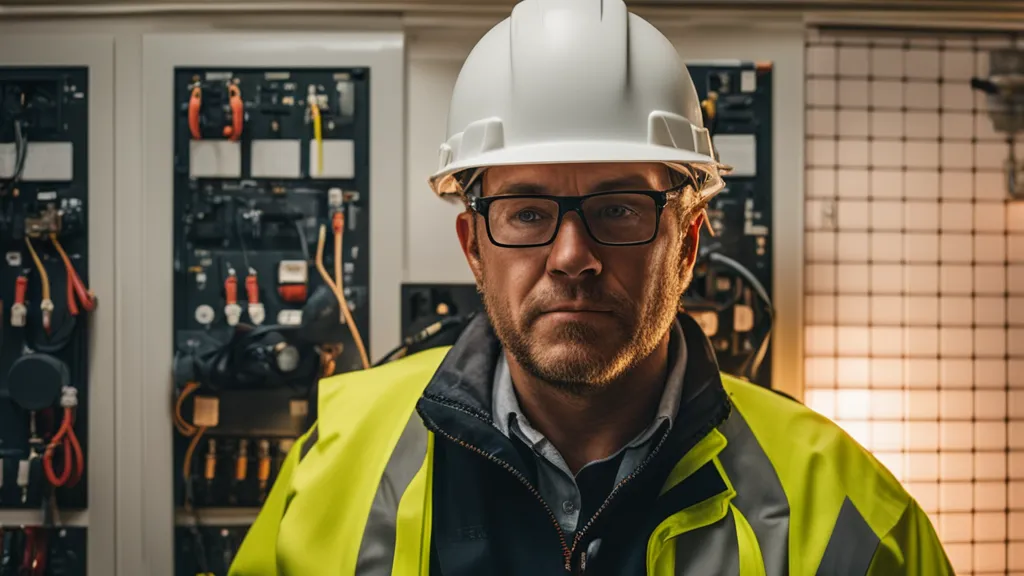
Electrical systems are the backbone of any modern home, providing power for lighting, appliances, and comfort. While routine maintenance and upgrades are part of responsible homeownership, sometimes unexpected issues arise that demand immediate attention. These situations often fall under the umbrella of emergency electrical services. For comprehensive information on general electrical needs, homeowners can explore topics like Residential Electrical Services Gawler, which covers a broader range of domestic electrical work.
However, when an electrical problem poses a risk to safety or property, it moves beyond routine repairs and into the realm of an emergency. Understanding when to contact a qualified professional who offers round-the-clock support is crucial for residents in Gawler, Barossa, Angle Vale, and Evanston.
What Defines an Electrical Emergency?
An electrical emergency isn’t just an inconvenience; it’s any electrical issue that presents an immediate danger. Many situations involve potential hazards such as fire, electric shock, or significant damage to your property’s electrical infrastructure. These are not problems that can wait until standard business hours. The immediate risk to occupants and the home’s structure means a swift, professional response is essential. A common scenario includes a complete power outage that affects only your property, indicating an internal issue rather than a grid problem.
Common Emergency Situations for Homeowners
Recognizing the signs of an electrical emergency can help you act quickly and safely. Prompt identification and calling a professional can prevent escalation of the problem.
Burning Smells or Visible Sparks: If you detect a burning odor emanating from outlets, switches, or your electrical panel, or if you see sparks, this is a critical emergency. These are clear indicators of overheating wires or components, which could lead to an electrical fire. Turning off the main power supply at your circuit breaker is an immediate safety measure, if it’s safe to do so.
Frequent or Persistent Power Outages: While local grid issues can cause outages, if your home is the only one affected, or if your power keeps cutting out repeatedly after resetting breakers, it suggests a serious internal fault. This could be due to overloaded circuits, faulty wiring, or a problem with your main service panel.
Tripping Breakers or Fuses: Circuit breakers are designed to trip when a circuit is overloaded or short-circuited, preventing damage and fire. If a specific breaker trips repeatedly even after you’ve unplugged appliances on that circuit, it indicates an underlying electrical problem that needs investigation. What usually causes problems is a persistent fault that the breaker is correctly identifying.
Damaged or Exposed Wiring: Any visible damage to electrical wiring, such as frayed insulation, chewed wires, or exposed conductors, is an immediate shock and fire hazard. This is particularly dangerous in areas accessible to children or pets. Contact with live wires can result in severe injury or fatality.
Water and Electricity Interaction: If water has come into contact with electrical outlets, appliances, or your electrical panel, it creates an extremely dangerous situation. Water is a conductor of electricity, and this scenario presents a high risk of electrocution. Stay clear of the affected area and do not attempt to interact with the electrical components.
Loss of Power to Critical Appliances: While not every power loss is an emergency, if essential systems like medical equipment, heating/cooling during extreme weather, or an electric hot water system fail unexpectedly and cannot be restored, it can quickly become a critical issue for household comfort and safety.
The Importance of Professional Emergency Response
When faced with an electrical emergency, the immediate priority is safety. Attempting to diagnose or repair complex electrical issues without proper training, tools, and experience can be extremely dangerous. Electrical systems carry high voltage, and mishandling them can lead to electric shock, burns, or even fatal accidents. Furthermore, incorrect repairs can exacerbate the problem, causing more extensive damage or creating hidden hazards that might manifest later.
A qualified emergency electrician understands the complexities of electrical systems, adheres to safety protocols, and possesses the necessary diagnostic equipment to identify the root cause of the problem quickly and accurately. They can provide a balanced perspective, assessing the immediate danger and outlining the necessary steps for a safe and lasting repair, acknowledging the complexity involved in older or non-standard installations.
What to Expect from an Emergency Electrician
When you call for emergency electrical assistance, the first priority will be to ensure the immediate safety of your property and its occupants. An electrician will typically:
Conduct a Safety Assessment: Upon arrival, the electrician will assess the situation to identify the most immediate dangers and take steps to mitigate them, such as safely cutting power to hazardous areas.
Diagnose the Issue: Using specialized tools and expertise, they will systematically troubleshoot the electrical system to pinpoint the exact cause of the emergency. This might involve checking the service panel, wiring, outlets, and appliances.
Implement Temporary or Permanent Repairs: Depending on the complexity and severity of the problem, the electrician may perform a temporary fix to restore essential power and ensure safety, followed by a more permanent repair. For instance, they might isolate a faulty circuit to restore power to the rest of the home.
Provide Recommendations: After resolving the immediate emergency, the electrician might offer advice on preventing future occurrences, such as upgrading an outdated electrical panel or addressing overloaded circuits. This could involve suggesting a dedicated circuit for a new air conditioning unit.
Safety First: What Not to Do
In an electrical emergency, knowing what *not* to do is as important as knowing what to do. Never attempt to:
Touch Exposed Wires: Even if you believe the power is off, live wires can be extremely dangerous.
Use Water on Electrical Fires: Water conducts electricity and can spread the fire or cause electrocution. Use a fire extinguisher rated for electrical fires (Class C).
Attempt DIY Repairs: Unless you are a qualified electrician, do not try to fix complex electrical problems. This includes opening electrical panels or attempting to rewire circuits.
Overload Circuits: Avoid plugging too many high-power appliances into a single circuit, as this is a common cause of tripped breakers and potential fire hazards.
Preventative Measures and Routine Checks
While emergencies are unpredictable, many can be prevented through regular maintenance and proactive measures. Having a qualified electrician perform routine inspections of your home’s electrical system can identify potential issues before they escalate. This might include checking the integrity of wiring, testing safety switches, and ensuring your electrical panel can handle your home’s power demands. Addressing minor issues early can save you from significant headaches and costs down the line, acknowledging that not all issues can be foreseen but many can be mitigated.
For homeowners and business owners in Gawler, Barossa, Angle Vale, and Evanston, knowing when and how to react to an electrical emergency is paramount. Prioritizing safety and relying on professional 24/7 electrical services ensures that critical situations are handled effectively and safely, minimizing risk and restoring peace of mind.