
Installing a new air conditioning system is a significant upgrade for any home or business in Gawler, Barossa, Angle Vale, or Evanston, promising enhanced comfort, especially during South Australia’s warmer months. However, before the new unit arrives, it’s crucial to consider the electrical infrastructure it will rely on. The electrical demands of modern AC units can vary significantly from older models or other appliances, making proper electrical preparation a non-negotiable step for safety and efficiency.
Understanding the electrical requirements ensures your new AC operates correctly from day one, preventing potential issues like tripped breakers, inconsistent performance, or even electrical hazards. This page focuses specifically on the electrical considerations for a new AC installation. For more comprehensive information on broader electrical topics, including emergency services, you can visit our page on Emergency Electrician Gawler.
Understanding Your New AC’s Electrical Needs
Modern air conditioning systems, particularly split systems and ducted units, typically require a dedicated electrical circuit. This means the AC unit should have its own circuit breaker in your main electrical switchboard, separate from other household or business appliances. The rationale behind this is simple: AC units draw a substantial amount of power, especially during startup and continuous operation. Sharing a circuit with other high-demand devices can lead to overloading, causing frequent circuit breaker trips or, in more severe cases, damage to wiring or appliances.
The specific voltage and amperage requirements will be detailed in the manufacturer’s specifications for your chosen AC unit. Residential split systems often require a 240V supply, with amperage ratings varying based on the unit’s cooling capacity (measured in kilowatts). Larger ducted systems or commercial installations might have different, often higher, electrical demands. It is essential to confirm these specifications with your AC installer or the unit’s documentation.
Assessing Your Existing Electrical System
Before any installation begins, an assessment of your current electrical system is vital. This involves checking the capacity of your main switchboard and the condition of your existing wiring. In older properties across Gawler and surrounding areas, existing wiring might not be rated to safely handle the increased load of a new AC unit. This can be a particular concern if you are replacing an old, less powerful unit with a new, more efficient, but potentially more electrically demanding system.
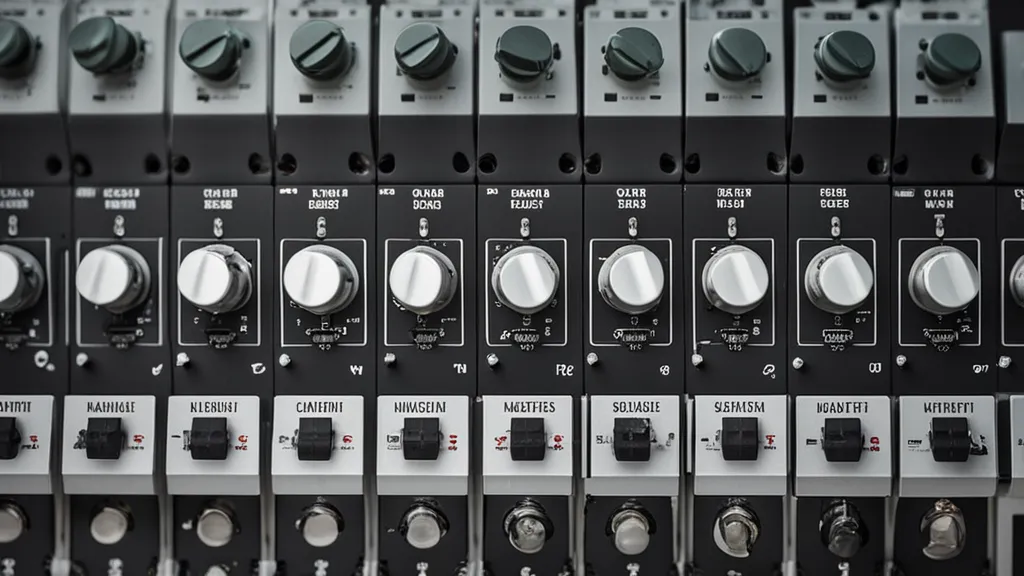
An electrician can inspect your switchboard to determine if there are available circuits that can be dedicated to the new AC. If not, or if the existing circuits are insufficient, an upgrade to the switchboard may be necessary. This could involve installing a new circuit breaker or, in some cases, a full switchboard upgrade to accommodate the increased electrical load and ensure compliance with current electrical safety standards.
Key Electrical Components to Consider
- Dedicated Circuit: As mentioned, a dedicated circuit is usually required. This ensures the AC unit receives a consistent power supply without competing with other appliances. The wire gauge for this circuit must be appropriate for the unit’s amperage.
- Safety Switches (RCDs): Residual Current Devices (RCDs), commonly known as safety switches, are critical for protecting against electric shock. Your new AC circuit should ideally be protected by a safety switch. If your existing switchboard does not have adequate RCD protection, it will need to be installed or upgraded. This is a vital safety measure for any new electrical appliance installation.
- Outdoor Unit Power Supply: Air conditioning systems consist of an indoor unit and an outdoor compressor unit. Both require power, and the outdoor unit typically draws the most significant current. The electrical cabling running to the outdoor unit must be correctly sized, protected, and installed to withstand outdoor conditions.
- Wiring Integrity: An inspection might reveal that existing wiring needs upgrading, especially if it is old or not up to current safety standards. Undersized or deteriorated wiring can pose fire risks and lead to inefficient operation of your AC unit.
- Meter Box Capacity: In some instances, particularly for larger AC systems or if you have multiple high-demand appliances, the overall capacity of your property’s main meter box might need to be reviewed. An overloaded meter box can lead to power supply issues for the entire property.
Potential Electrical Upgrades and Their Impact
Depending on the assessment, several electrical upgrades might be necessary. These could range from minor adjustments to more substantial work:
- New Circuit Installation: This is the most common upgrade, involving running new wiring from the switchboard to the AC unit and installing a new circuit breaker.
- Switchboard Upgrades: If your current switchboard is old, lacks space for new circuits, or doesn’t meet modern safety standards, a switchboard upgrade or replacement might be recommended. This is an opportunity to enhance the overall electrical safety and capacity of your property.
- RCD Installation/Upgrade: Ensuring every circuit, especially for a new AC, is protected by an RCD is paramount for safety.
- Cable Upgrades: If existing cables are found to be insufficient or damaged, they will need replacing with appropriate gauge wiring.
It is important to remember that these electrical preparations are not just about compliance; they are about ensuring the safe, reliable, and efficient operation of your new air conditioning system for years to come. Neglecting these steps can lead to ongoing problems, increased energy consumption, and potential safety hazards for homes and businesses in areas like Angle Vale and Evanston.
Always engage a qualified and licensed electrician for any electrical work related to AC installation. They can accurately assess your specific needs, recommend the necessary upgrades, and carry out the work safely and to Australian standards.