
Understanding the Electrical Demands of Air Conditioning in Gawler
Air conditioning units are essential for comfort in Gawler, Barossa, Angle Vale, and Evanston, especially during warmer months. While their primary function is cooling, their operation relies heavily on a robust and reliable electrical supply. Understanding the electrical side of your air conditioning system can help homeowners and business owners identify potential issues and know when to seek professional assistance. This article focuses on common electrical considerations for existing AC units, providing insights into potential scenarios and the importance of proper electrical upkeep. For comprehensive information on air conditioning electrical services, including new installations and specific circuit requirements, please refer to our main page on Air Conditioning Electrical Services.
Common Electrical Considerations for AC Units
Air conditioning systems, whether split-systems or ducted, draw significant electrical current to operate their compressors, fans, and control boards. This consistent demand means that the electrical components within and connected to the unit are under regular stress. A common scenario involves an AC unit suddenly failing to start or tripping a circuit breaker. While this could indicate a mechanical fault, it often points to an underlying electrical issue.
- Circuit Breaker Tripping: What often causes issues is an overloaded circuit or a fault within the unit itself. If your AC frequently trips its dedicated circuit breaker, it’s a clear sign that the electrical demand is exceeding the circuit’s capacity, or there’s a short circuit or ground fault. This is not just an inconvenience; it can be a safety concern, potentially leading to overheating wires.
- Reduced Cooling Performance: Sometimes, an AC unit might run but not cool effectively. While refrigerant levels are a common cause, electrical issues can also contribute. For instance, a faulty capacitor might prevent the compressor from reaching full power, leading to weak cooling. Similarly, issues with the fan motor’s electrical supply can reduce airflow.
- Unusual Noises or Smells: When an AC unit emits buzzing, humming, or burning smells, it’s critical to investigate immediately. Burning smells often indicate overheated wiring or components, which is a serious fire hazard. Buzzing or humming might suggest loose electrical connections or a struggling motor.
Identifying Electrical Problems in Your AC System
Recognizing the signs of an electrical problem early can prevent more significant damage or safety risks. For residential homeowners and business owners in areas like Gawler and Evanston, knowing what to look for can be invaluable.
- Intermittent Operation: An AC unit that turns on and off erratically, or struggles to maintain consistent operation, might be experiencing electrical fluctuations. This could be due to loose wiring, a failing thermostat connection, or issues with the main power supply to the unit.
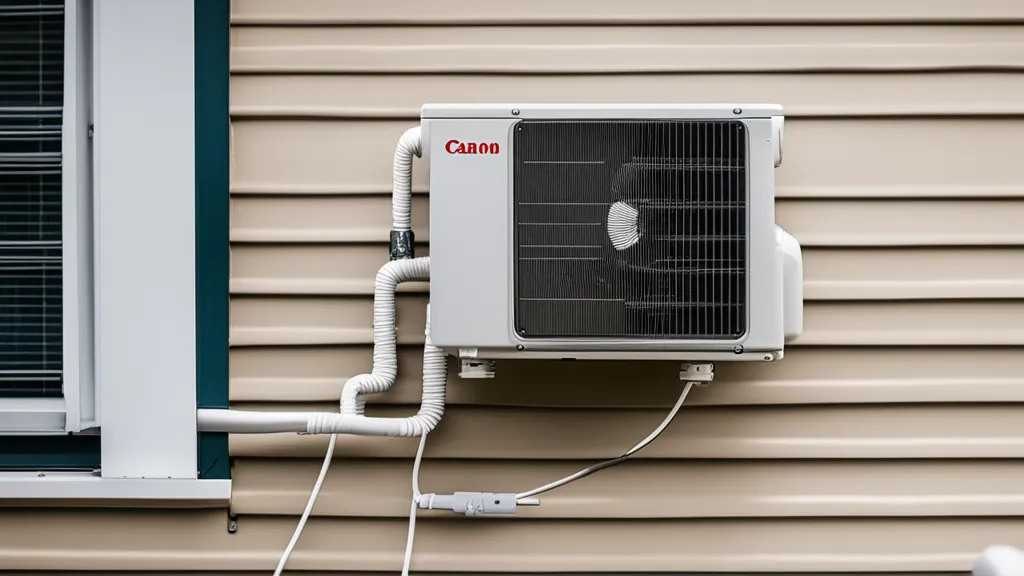
- Visible Damage: Always check the outdoor unit and any accessible wiring for visible signs of wear, fraying, or rodent damage. Exposed wires pose a direct shock hazard and can lead to short circuits. Similarly, corrosion on terminals can impede current flow and generate heat.
- Power Surges and Dips: If other electrical appliances in your home or business experience power surges or dips when the AC unit cycles on or off, it could indicate an issue with the AC’s electrical load or the wiring connected to it. This can be particularly noticeable in older properties where the electrical infrastructure may not be designed for modern AC demands.
The Importance of Professional Electrical Assessment
Attempting to diagnose or repair complex electrical issues in an air conditioning unit without proper training and tools can be extremely dangerous. High voltages are present, and incorrect repairs can exacerbate the problem, leading to costly damage or, more critically, electrical fires or severe injury. When any of the above signs manifest, it is advisable to contact a qualified electrician. They possess the expertise to safely troubleshoot the system, identify the root cause of the electrical fault, and perform necessary repairs or upgrades.
In cases where an AC unit is old or has a history of electrical problems, a professional assessment can also determine if the unit’s electrical components are nearing the end of their lifespan, potentially recommending preventative maintenance or replacement to avoid future breakdowns. For those in Gawler and surrounding regions, ensuring your air conditioning system’s electrical integrity is paramount for both comfort and safety.