
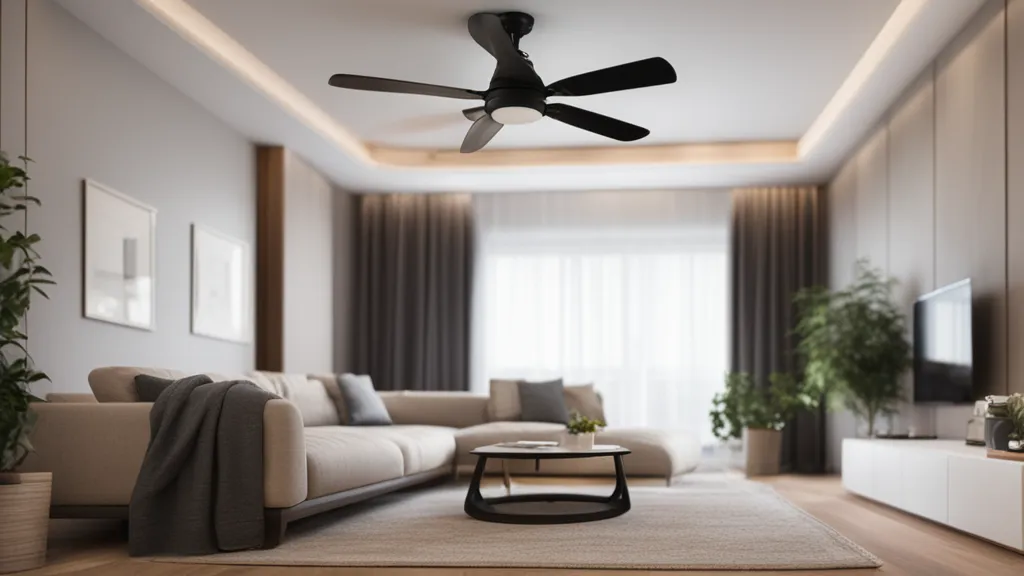
Stay Cool with Ceiling Fan Installation and Repair
TL;DR: Ceiling fans offer a cost-effective way to enhance home comfort. Proper installation and maintenance are key for optimal performance, safety, and longevity. This guide covers essential aspects from choosing the right fan to troubleshooting common issues.
Choosing the Right Ceiling Fan
Selecting a ceiling fan involves considering room size, ceiling height, style preferences, and features like lighting and remote control options. For larger rooms, look for fans with a larger blade span. Lower ceilings may require flush-mount or low-profile fans. Match the fan’s style to your existing decor. Consider energy-efficient models for long-term savings.
Ceiling Fan Installation
Safe and proper installation is crucial. Ensure the electrical box is adequately rated to support the fan’s weight. Follow the manufacturer’s instructions carefully. If you’re unsure, consult a qualified electrician. Proper wiring and secure mounting are essential for safety. Don’t forget to balance the fan blades for smooth, quiet operation.
Ceiling Fan Repair
Troubleshooting common ceiling fan problems, such as wobbling, noisy operation, or non-functioning lights, requires careful diagnosis. Wobbling may be caused by loose screws, unbalanced blades, or a warped blade. Noisy operation could be due to a faulty motor or loose parts. If the lights don’t work, check the bulbs, wiring, and switch. Always turn off the power before attempting any repairs.
Ceiling Fan Maintenance
Regular maintenance prolongs the life of your ceiling fan. Periodic cleaning of the blades removes dust and dirt buildup, improving airflow and efficiency. Lubricating the motor and checking for loose screws can prevent noise and ensure smooth operation. Inspect the wiring and electrical connections for any signs of damage.
People Also Ask
How do I choose the right size ceiling fan for my room?
Choosing the right size ceiling fan depends primarily on your room’s square footage. Measure the length and width of your room and multiply those numbers together. Use this chart as a general guide: Up to 75 sq ft: 29-36 inch fan, 76-144 sq ft: 36-42 inch fan, 144-225 sq ft: 44-52 inch fan, 225-400 sq ft: 52-56 inch fan. For rooms larger than 400 sq ft, consider using multiple fans.
What are some common reasons for a ceiling fan to wobble?
Wobbling can occur due to several factors, including loose screws on the mounting bracket or blade irons, unbalanced blades, a warped or damaged blade, or even a ceiling fan that’s not properly secured to the electrical box. Checking each of these points can help diagnose the issue.
Can I install a ceiling fan myself, or should I hire an electrician?
While some homeowners may be comfortable with basic electrical work, ceiling fan installation involves working with wiring and ensuring proper support. If you’re not confident in your abilities, hiring a qualified electrician is always recommended for safety and proper installation. They can also help ensure the electrical box is properly rated for the fan’s weight.
FAQ
How often should I clean my ceiling fan?
Regular dusting, about once a month, is usually sufficient. However, more frequent cleaning may be necessary in dustier environments.
What type of ceiling fan is best for outdoor use?
Outdoor ceiling fans are specifically designed to withstand the elements and have weather-resistant blades and motors. Look for a fan rated for “damp” or “wet” locations depending on the exposure to moisture.
How can I make my ceiling fan more energy efficient?
Using energy-efficient bulbs in the fan’s light kit and ensuring the fan is properly sized for the room can improve energy efficiency. Also, consider using the fan to supplement your heating and cooling system, allowing you to adjust the thermostat settings.
For any electrical work, always prioritize safety and consult a professional if needed. Regular maintenance and proper usage will keep your ceiling fans running smoothly for years to come.