
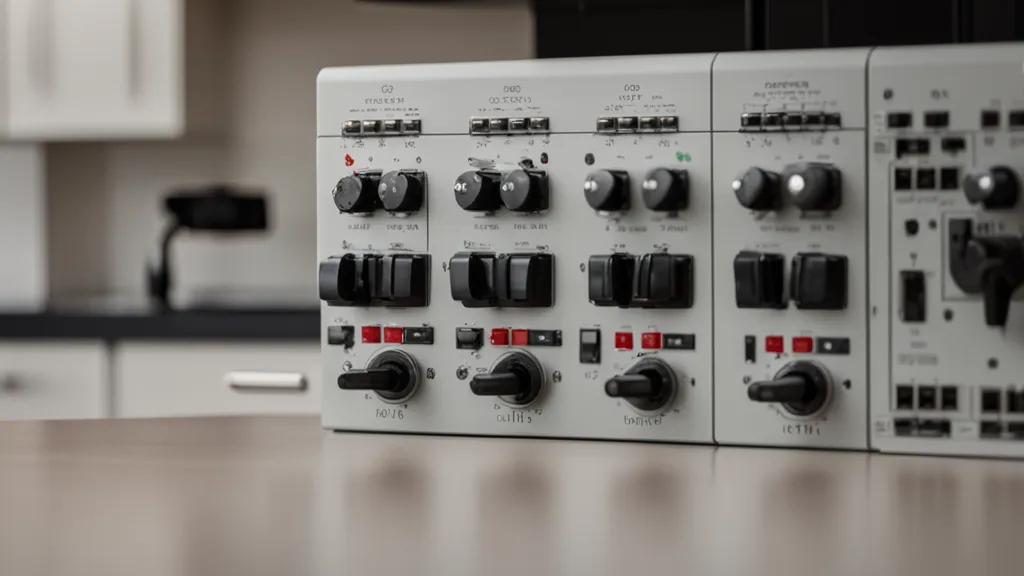
Maintaining a safe and efficient electrical system is crucial for any property, whether it’s a family home or a business in Gawler, Barossa, Angle Vale, or Evanston. As part of comprehensive residential electrical services, addressing the core infrastructure of your electrical system through rewiring and panel upgrades is often a fundamental step toward modernizing and ensuring long-term reliability. These services are vital for properties dealing with aging systems, increased power demands, or safety concerns.
Understanding Home Rewiring Necessities
Over time, the electrical wiring in older homes can deteriorate, become outdated, or simply fail to meet the demands of contemporary electrical appliances and technology. Many situations involve properties built decades ago that were never designed for the sheer volume of electrical devices we use today. This can lead to various issues, from frequent circuit breaker trips to more serious fire hazards.
Signs Your Gawler Home Might Need Rewiring
- Frequent Breaker Trips: Common scenarios include circuit breakers tripping regularly, especially when multiple appliances are in use. This suggests the circuit is overloaded, a clear indicator that the wiring may not handle current loads.
- Flickering or Dimming Lights: Lights that flicker or dim, particularly when another appliance turns on, can indicate an overloaded circuit or loose wiring connections.
- Outdated Outlets: Properties with numerous two-prong outlets instead of modern three-prong grounded outlets often have older wiring that lacks proper grounding, posing a safety risk.
- Burning Smells or Scorched Outlets: What usually causes problems is overheating, which can result in a burning smell near outlets or switches, or visible scorching. This is an urgent sign of potential danger and requires immediate professional attention.
- Knob and Tube Wiring: Some very old homes in the Gawler region might still have knob and tube wiring, which is considered obsolete and unsafe by modern standards, particularly if insulation has deteriorated or been improperly modified.
- Aluminum Wiring: Homes built between the mid-1960s and mid-1970s might contain aluminum wiring, which can corrode at connection points more easily than copper, leading to fire risks.
Rewiring is not merely about replacing old wires; it’s about upgrading the entire electrical network to comply with current Australian safety standards (AS/NZS 3000). This involves installing new, appropriately sized copper wiring, modern circuit breakers, and properly grounded outlets throughout the property, providing a robust and safe foundation for all electrical needs.
The Importance of Electrical Panel Upgrades
The electrical panel, also known as the breaker box or fuse box, is the heart of your property’s electrical system. It distributes electricity safely throughout your home or business. Just like wiring, electrical panels have a lifespan and can become inadequate for modern power requirements.
Why Consider an Electrical Panel Upgrade?
- Increased Power Demands: As properties in areas like Gawler and Barossa incorporate more high-power appliances (e.g., induction cooktops, electric vehicle chargers, advanced air conditioning units, or even dedicated swimming pool/spa electrical installations), the existing electrical panel may not have enough capacity to handle the load. An upgrade ensures sufficient power distribution without overloading the system.
- Frequent Breaker Trips: A panel that frequently trips circuit breakers is often struggling to manage the electrical load. While sometimes a sign of overloaded circuits, it can also indicate an undersized or failing panel.
- Adding Major Appliances: Installing new, large appliances or systems, such as a new air conditioning electrical services setup or a significant workshop expansion, typically requires a panel upgrade to ensure the necessary power supply and dedicated circuits.
- Home Renovations or Additions: Expanding your living space or undertaking major renovations will almost certainly increase your electrical needs. An upgraded panel provides the necessary capacity for new circuits and outlets.
- Safety Concerns: Older panels, especially those with fuses instead of circuit breakers, can be less safe and less reliable. Upgrading to a modern circuit breaker panel offers enhanced protection against overloads and short circuits.
- Insurance Requirements: Some insurance providers may require panel upgrades for older properties as a condition of coverage, especially if the existing system is deemed a risk.
An electrical panel upgrade involves replacing your old fuse box or undersized breaker panel with a new, higher-capacity unit. This ensures that your property can safely and efficiently power all its electrical devices, preventing overloads and enhancing overall safety. It’s a critical investment for the long-term integrity of your electrical system.
The Process of Electrical Upgrades
Undertaking a home rewiring or electrical panel upgrade is a significant project that requires the expertise of a qualified Gawler Barossa Electrician. The process typically begins with a thorough assessment of your existing electrical system to identify its current state, potential hazards, and capacity limitations. This initial evaluation helps determine the scope of work required, whether it’s a partial upgrade or a full property rewiring.
For rewiring projects, the work often involves carefully accessing walls and ceilings to remove old wiring and install new cables. This can be disruptive, but experienced professionals aim to minimize impact and restore your property efficiently. Panel upgrades are generally less intrusive, focusing on the main service entrance and the distribution board. Throughout the process, adherence to strict safety protocols and local electrical codes is paramount to ensure the work is done correctly and safely.
After installation, a comprehensive testing phase ensures all new wiring and the updated panel function correctly and safely. This includes checking for proper grounding, circuit integrity, and load balancing. The goal is to provide a modernized electrical system that not only meets your current needs but also offers capacity for future expansions, giving residents and business owners in Gawler, Angle Vale, and Evanston peace of mind.
Considering these essential electrical upgrades means investing in the safety, efficiency, and future value of your property. Addressing these needs proactively can prevent costly emergencies and ensure a reliable power supply for years to come. For any concerns about your electrical system, especially if you suspect outdated wiring or an inadequate panel, consulting with a local professional is always the recommended first step.