
Ensuring the electrical safety and longevity of appliances in your Gawler, Barossa, Angle Vale, or Evanston home or business is a critical aspect of property maintenance. While routine residential electrical services cover a broad range of needs, understanding specific protective measures like safety switch installation and surge protection is vital. These systems are designed to safeguard against common electrical hazards, protecting both occupants and valuable electronic equipment.
Understanding Safety Switches (RCDs) for Gawler Properties
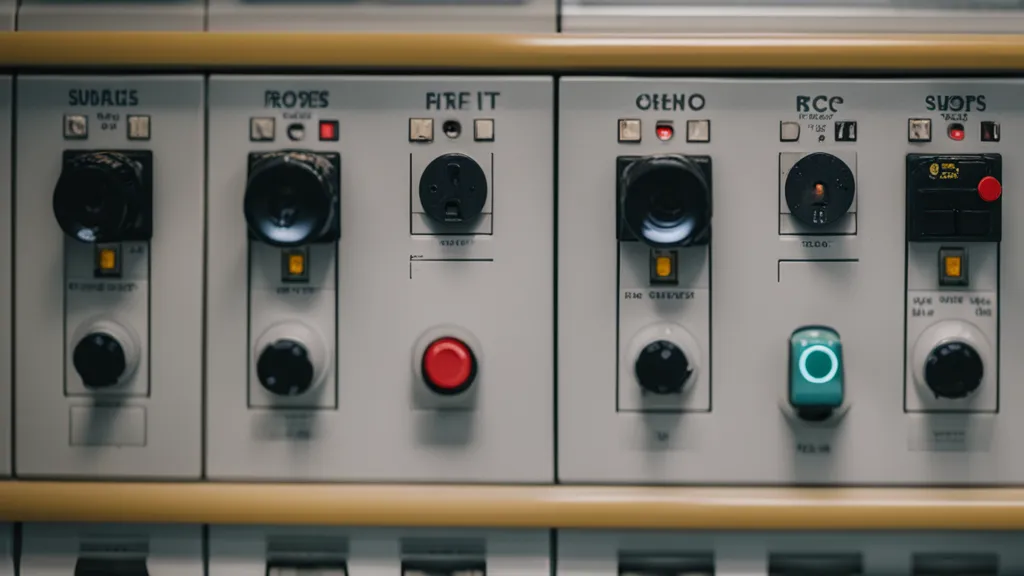
Safety switches, also known as Residual Current Devices (RCDs), are essential electrical safety components designed to prevent serious injury or death from electric shock. Their primary function is to constantly monitor the flow of electricity through a circuit. If they detect an imbalance, indicating that electricity is leaking out of the circuit – potentially through a person – they trip, cutting off the power almost instantaneously.
Many situations involve an RCD activating unexpectedly. This often signals a fault within an appliance or the wiring itself. For instance, a faulty toaster or an old power tool could develop an internal electrical leak, which the safety switch detects, cutting power before it can cause harm. It’s a proactive measure, far more sensitive and faster than a standard circuit breaker, which primarily protects against overloads and short circuits.
Why RCDs are Non-Negotiable in Gawler Homes and Businesses
In Australia, the installation of safety switches is a mandatory requirement for new circuits and certain renovations. For older Gawler properties, upgrading to include RCDs on all circuits is a significant step towards modern electrical safety standards. What usually causes problems is outdated wiring or appliances, which might not be immediately apparent without an RCD in place. A properly functioning RCD can prevent electrocution from touching live wires, faulty appliances, or even damaged power cords.
Common scenarios include a child inserting something into a power outlet, a damaged extension cord in the garden, or an appliance developing an internal fault. In each of these cases, the RCD acts as a rapid guardian, disconnecting the power supply within milliseconds. This rapid response is what makes them so effective at saving lives and preventing severe injuries.
The Role of Surge Protection Devices in the Barossa Region
Beyond protecting against electric shock, electrical systems also need protection from sudden, powerful spikes in voltage known as power surges. A surge protection device (SPD) is engineered to divert excess voltage away from sensitive electronic equipment, preventing damage. These devices typically work by clamping down on voltage spikes, allowing only the normal operating voltage to pass through to your appliances.
Common scenarios that lead to power surges include lightning strikes, even those occurring some distance away, and sudden changes in the electrical grid, such as power outages or the switching of large electrical loads by the utility company. Internally, large appliances like air conditioning units or refrigerators cycling on and off can also create minor surges, which over time can degrade sensitive electronics.
Protecting Your Electronics in Angle Vale and Evanston
For residential homeowners and business owners in Angle Vale and Evanston, protecting valuable electronics such as computers, televisions, smart home devices, and sophisticated kitchen appliances from power surges is increasingly important. Without adequate surge protection, these devices are vulnerable to immediate failure or a shortened lifespan due to repeated exposure to voltage spikes. What usually causes problems is the cumulative effect of small, unnoticed surges that slowly degrade internal components.
There are different types of surge protection, from point-of-use plug-in protectors for individual devices to whole-house surge protectors installed at the main switchboard. A whole-house system offers comprehensive protection, safeguarding all connected appliances and outlets throughout the property. This is a particularly wise investment for properties with extensive smart home technology or valuable business equipment.
Professional Installation: The Key to Effective Protection
Installing safety switches and surge protection devices is not a DIY task. It requires the expertise of a qualified electrician. Incorrect installation can render these devices ineffective, or worse, create new hazards. An experienced Gawler Barossa Electrician understands the specific requirements of Australian electrical standards and can ensure that your installations are compliant and optimally configured for your property’s needs.
Many situations involve homeowners attempting to install these devices themselves, only to find they don’t function correctly or are not up to code. This can lead to significant safety risks and potential damage. A professional assessment will identify the most appropriate type and location for RCDs and SPDs, considering factors like the age of your wiring, the types of appliances you use, and your overall electrical load. This ensures maximum safety and efficiency for your home or business in the Gawler region.