
TL;DR
Regular electrical inspections are crucial for preventing potentially disastrous emergencies. They identify hidden hazards, ensure code compliance, and extend the lifespan of your electrical systems. Don’t wait for disaster to strike—proactive inspections offer peace of mind and long-term cost savings.
Why Regular Electrical Inspections Matter
Electrical systems are the backbone of any property, powering everything from lighting and appliances to critical safety systems. Over time, components wear down, wiring can become damaged, and safety measures might become outdated. Neglecting these issues invites serious risks, including fires, electrocution, and data loss. Regular inspections are your best defense against these potential catastrophes.
Identifying Hidden Hazards
One of the primary benefits of regular inspections is the identification of hidden hazards invisible to the untrained eye. Cracked wiring, loose connections, faulty outlets, and outdated breaker boxes can all pose significant dangers. A qualified inspector uses specialized tools and expertise to pinpoint these issues before they escalate into emergencies. For example, thermal imaging can detect overheating circuits, while ground fault circuit interrupters (GFCIs) testing ensures proper function to prevent electrocution.
Ensuring Code Compliance
Electrical codes and regulations evolve to incorporate the latest safety standards. Regular inspections ensure that your electrical systems meet these requirements, minimizing the risk of legal issues and insurance complications. An inspector will verify that wiring, outlets, panels, and safety devices adhere to current codes. This is particularly important for older buildings or those that have undergone renovations. For instance, an inspector might check for proper arc-fault circuit interrupter (AFCI) protection, a newer safety feature designed to prevent fires.
Extending the Lifespan of Your Systems
Regular maintenance, including inspections, prolongs the life of your electrical systems. Identifying and addressing minor issues before they worsen prevents costly repairs and premature replacements. This proactive approach maximizes the return on your investment in electrical infrastructure and ensures efficient operation. For instance, a simple fix like tightening a loose connection can prevent a much larger problem down the line.
What to Expect During an Inspection
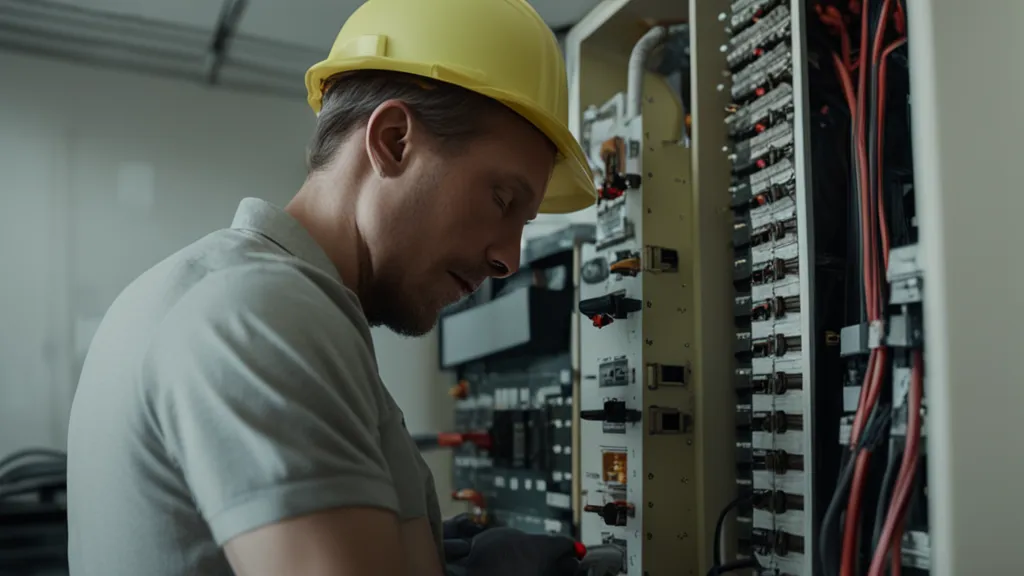
A professional electrical inspection involves a thorough assessment of your entire electrical system. The inspector will examine panels, wiring, outlets, lighting fixtures, surge protectors, and safety devices. They will look for signs of damage, wear, and code violations. The inspection process typically includes visual checks, testing, and reporting. The inspector will provide a detailed report outlining any issues found and recommendations for corrective action.
Key Areas Covered During an Inspection
- Service entrance and panel: The inspector will check the main electrical panel for proper grounding, adequate capacity, and any signs of damage or corrosion.
- Wiring and connections: Inspectors meticulously examine wiring for fraying, damage, and proper insulation. They also check connections for tightness and security.
- Outlets and switches: Testing outlets and switches for proper grounding and functionality is a crucial part of the inspection. GFCI protection is verified in areas like kitchens and bathrooms.
- Lighting fixtures: Inspectors assess lighting fixtures for proper wiring, grounding, and compliance with energy efficiency standards.
- Safety devices: Smoke detectors, carbon monoxide detectors, and AFCI protection are checked to ensure they are functioning correctly.
People Also Ask
How often should I get an electrical inspection?
Generally, a professional inspection is recommended every 3-5 years for homes and annually for businesses. However, specific circumstances may require more frequent inspections, such as after renovations, significant weather events, or if you experience recurring electrical issues.
What qualifications should I look for in an electrical inspector?
Choose a licensed, certified, and insured inspector with a proven track record. Look for certifications from recognized organizations, and don’t hesitate to ask for references and proof of insurance.
What should I do after receiving an inspection report?
Carefully review the report and address any identified issues promptly. Prioritize critical safety concerns and get multiple quotes from qualified electricians for necessary repairs or upgrades.
FAQ
What is the average cost of an electrical inspection?
The cost varies depending on factors like the size of the property, the complexity of the electrical system, and the inspector’s rates. It’s always wise to obtain multiple quotes to compare pricing and services.
Can I perform an electrical inspection myself?
While you can perform some basic checks, it’s crucial to have a qualified professional conduct a thorough inspection. They have the training, tools, and expertise to identify hidden hazards and ensure code compliance.
What are some common signs that I need an electrical inspection?
Flickering lights, frequently tripped breakers, buzzing sounds from outlets, burning smells, and warm outlets or switches are all indicators that a professional inspection is warranted.
Taking proactive steps with regular inspections can save you from the disruption, cost, and potential danger of electrical emergencies. It’s an investment in safety and peace of mind.