
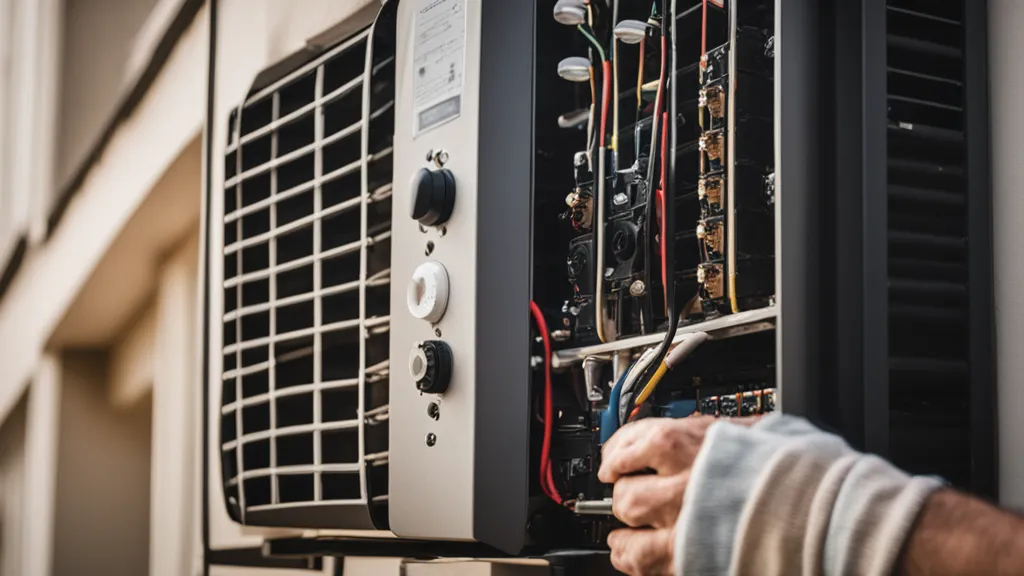
When considering air conditioning solutions for your property in Gawler, understanding the electrical requirements is a crucial step. This discussion focuses specifically on the electrical considerations for new AC unit installations, building upon the broader topic of air conditioning electrical services that cater to a range of needs from installation to maintenance across Gawler, Barossa, Angle Vale, and Evanston.
Installing a new air conditioning unit, whether for a residential home or a business premise, involves more than just mounting the indoor and outdoor components. The electrical wiring is a fundamental aspect that ensures the unit operates safely, efficiently, and in compliance with Australian electrical standards. Improper wiring can lead to performance issues, safety hazards, and even void warranties.
Understanding Electrical Demands for New AC Units
Air conditioning units are significant power consumers. Unlike smaller appliances that can often share existing circuits, most modern AC units require a dedicated electrical circuit. This is particularly true for larger split systems, ducted systems, and multi-split installations. A dedicated circuit means the AC unit has its own circuit breaker in the electrical switchboard, preventing overload issues that could trip breakers or damage other appliances on the same circuit.
The specific electrical demand varies significantly based on the type and size of the AC unit. A small reverse cycle split system in a bedroom will have different power requirements compared to a large ducted system designed to cool an entire commercial building in Gawler. Factors such as the unit’s cooling/heating capacity (measured in kilowatts), its energy efficiency rating, and whether it’s a single-phase or three-phase unit all influence the necessary wiring, circuit breaker size, and cable gauge.
Identifying Appropriate Circuitry and Wiring
Before any wiring begins, a thorough assessment of the existing electrical infrastructure is typically performed. This helps determine if the current switchboard can accommodate the new load, if there’s available space for a new circuit breaker, and if the existing wiring can support the unit’s power draw. In many situations, an upgrade to the switchboard or the installation of a new dedicated circuit is necessary.
- Dedicated Circuits: Most AC units demand a dedicated circuit. This ensures that the unit receives a consistent and sufficient power supply without competing with other appliances.
- Cable Sizing: The gauge of the electrical cable must be appropriate for the unit’s amperage. Using undersized cables can lead to overheating, energy loss, and fire hazards.
- Circuit Breakers and Safety Switches: Each dedicated AC circuit requires a specific circuit breaker, rated to protect the wiring and the unit from overcurrents. Additionally, the circuit must be protected by a residual current device (RCD), commonly known as a safety switch, which provides critical protection against electric shock.
Common scenarios include homeowners in Angle Vale upgrading from an older, less efficient unit to a modern, more powerful one, or businesses in Evanston installing a new ducted system. In both cases, the electrical setup often needs adjustments to meet the new unit’s specifications and current safety standards.
The Installation Process for AC Electrical Wiring
The process of wiring a new AC unit typically involves several key stages, each requiring a detailed understanding of electrical principles and safety protocols.
Initial Assessment and Planning
The first step involves a detailed assessment of the proposed AC unit’s electrical specifications and the property’s existing electrical system. This includes:
- Calculating the total current draw of the AC unit.
- Checking the capacity of the main switchboard and the availability of spare circuit breaker slots.
- Determining the most efficient and safest route for new wiring from the switchboard to both the indoor and outdoor AC units.
- Considering compliance with local regulations and the AS/NZS 3000 Wiring Rules, which are the Australian and New Zealand standards for electrical installations.
What usually causes problems is underestimating the power requirements or assuming existing wiring can handle the increased load. This can lead to frequent circuit trips or, more seriously, electrical fires.
Running New Circuits and Cables
Once planning is complete, the electrical work commences. This often involves:
- Installing new electrical cables from the main switchboard to the location of both the indoor and outdoor AC units. These cables are typically run through wall cavities, roof spaces, or under floors, ensuring they are protected and concealed where possible.
- Mounting and wiring new circuit breakers and RCDs in the switchboard. This is a critical safety step that protects the entire circuit.
- Ensuring all connections are secure, insulated, and properly terminated to prevent loose connections or short circuits.
Many situations involve working in existing structures, which can present challenges in routing cables without causing significant disruption. Experienced professionals find practical solutions to integrate new wiring seamlessly.
Connecting the AC Unit and Testing
With the new circuits in place, the final electrical connections to the AC unit itself are made. This includes wiring the power supply to the outdoor compressor unit and connecting the communication and power lines between the indoor and outdoor units. Careful attention is paid to:
- Adhering to the manufacturer’s specific wiring diagrams and instructions for the AC unit.
- Ensuring proper earthing (grounding) of all components for safety.
- Performing comprehensive testing, including voltage checks, continuity tests, and insulation resistance tests, to verify the integrity and safety of the new electrical installation.
- Commissioning the unit to ensure it operates correctly and efficiently from an electrical perspective.
This testing phase is vital to catch any potential issues before the unit is put into regular service, providing peace of mind for residential homeowners and business owners alike.
Compliance and Safety Standards
Electrical work, especially for high-power appliances like AC units, must strictly adhere to Australian safety standards. The AS/NZS 3000 Wiring Rules dictate how electrical installations should be carried out to ensure safety and prevent hazards. Engaging a qualified and licensed Gawler Barossa electrician for new AC unit electrical wiring is not just a recommendation; it’s a legal requirement and a fundamental safety measure.
A licensed electrician understands the intricacies of load calculations, cable selection, circuit protection, and earthing requirements. They also ensure that the installation is properly documented and certified, which can be important for insurance purposes and future electrical work.
For properties in Gawler, Barossa, Angle Vale, or Evanston, ensuring that any new AC unit electrical wiring complies with these standards is paramount. This not only guarantees the safe operation of your air conditioner but also protects your property and its occupants from electrical risks. Whether it’s a simple split system or a complex ducted solution, the electrical foundation must be robust and reliable.
Consider the long-term implications of a proper installation. An AC unit that is correctly wired is less likely to experience faults, will operate more efficiently, potentially reducing running costs, and will have a longer lifespan. Conversely, shortcuts in electrical installation can lead to ongoing problems and costly repairs down the line. Many residential electrical services in Gawler involve rectifying issues stemming from inadequate initial wiring.
The integration of new electrical components for an AC system extends beyond just the unit itself. It involves assessing the entire electrical system to ensure it can support the additional load without compromising safety or performance elsewhere. This holistic approach is crucial for reliable operation.