
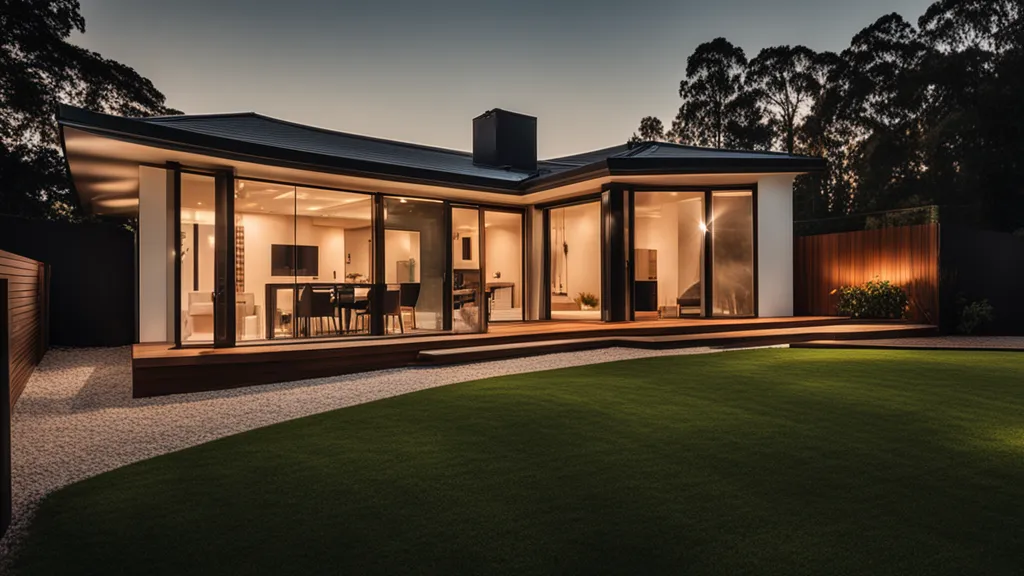
When considering improvements for your Angle Vale home, the electrical aspects of outdoor and landscape lighting often play a crucial role. This particular focus falls under the broader umbrella of residential electrical services, highlighting a specific area where thoughtful electrical design and installation can significantly impact both the aesthetics and functionality of your property.
Outdoor and landscape lighting isn’t just about illuminating a space; it’s about creating ambiance, improving safety, and enhancing the overall curb appeal of a residence. For homeowners in Angle Vale, understanding the electrical considerations involved is key to achieving a successful and lasting installation.
Understanding the Electrical Needs for Outdoor Lighting in Angle Vale
Installing outdoor and landscape lighting involves more than simply placing fixtures. It requires careful planning of electrical circuits, wiring, and power sources to ensure safety, efficiency, and compliance with local regulations. Many situations involve extending existing electrical systems or installing new dedicated circuits, especially for larger or more complex lighting schemes.
Common scenarios include needing power for garden path lights, spotlights on architectural features, deck lighting, or integrated systems for outdoor entertaining areas. Each of these applications has distinct electrical requirements regarding voltage, wattage, and protection against environmental elements. What usually causes problems is inadequate planning for voltage drop over long cable runs or insufficient protection against moisture ingress, leading to system failures and potential safety hazards.
Designing for Functionality and Aesthetics
Effective outdoor lighting balances visual appeal with practical utility. From an electrical perspective, this means ensuring that the chosen fixtures are compatible with the available power supply and that the wiring can safely handle the load. For instance, low-voltage lighting systems are popular for landscape applications due to their safety and ease of installation, but they still require a properly sized transformer and appropriate wiring to prevent voltage drop, which can dim lights further down the circuit.
Key considerations for Angle Vale homes might include:
- Security Lighting: Motion-activated floodlights or strategically placed path lights can deter intruders and enhance visibility around entry points. These often require dedicated circuits and robust weather-resistant fixtures.
- Accent Lighting: Highlighting trees, statues, or architectural elements adds depth and drama. This typically involves precise fixture placement and wiring that can be discreetly hidden.
- Pathway and Step Lighting: Ensuring safe passage around your property after dark is paramount. Electrical planning here involves considering the number of fixtures, their spacing, and the appropriate cable gauge to maintain consistent brightness.
- Deck and Patio Lighting: For outdoor living spaces, integrated lighting can transform an area. This might include recessed deck lights, string lights, or wall-mounted fixtures, all requiring careful electrical planning for power points and switching options.
Electrical System Components and Safety
A reliable outdoor lighting system depends on several critical electrical components. The main power source for outdoor lighting is typically drawn from the home’s existing electrical panel. This often necessitates the installation of new circuit breakers and dedicated circuits to avoid overloading existing ones.
The wiring itself must be rated for outdoor use, typically direct burial cable or conduit-protected wiring, to withstand moisture, temperature fluctuations, and physical damage. Connectors and junction boxes also need to be waterproof and sealed to prevent electrical shorts and corrosion. Ground Fault Circuit Interrupters (GFCIs) are essential for all outdoor outlets and lighting circuits, providing an added layer of protection against electric shock, which is particularly important in environments where water is present.
Many situations involve trenching for buried cables, which must be done to specific depths and away from other utility lines. This is a critical step that ensures both the safety and longevity of the installation. Constraints often include avoiding existing irrigation lines or tree roots, and trade-offs might involve choosing a slightly longer cable run to bypass an obstruction, which then requires careful calculation to manage potential voltage drop.
Maintenance and Troubleshooting for Angle Vale Outdoor Lighting
Even with a well-planned installation, outdoor electrical systems require periodic maintenance. Weather exposure, pest activity, and general wear and tear can affect performance. Common scenarios include bulbs burning out, wiring becoming damaged, or moisture getting into fixtures, causing flickering or complete outages.
Troubleshooting often involves checking connections, inspecting for visible damage to cables or fixtures, and testing circuits with appropriate electrical tools. For more complex issues, or if an outage affects multiple parts of your home, contacting an Emergency Electrician Gawler is advisable to diagnose and repair the problem safely. Regular checks can help identify potential issues before they escalate, prolonging the life of your lighting system.
Understanding these elements helps homeowners in Angle Vale appreciate the precision and expertise required for safe and effective outdoor electrical installations. For reliable electrical work across Gawler, Barossa, and surrounding areas, including comprehensive Residential Electrical Services Gawler, it’s always best to consult with qualified professionals.