
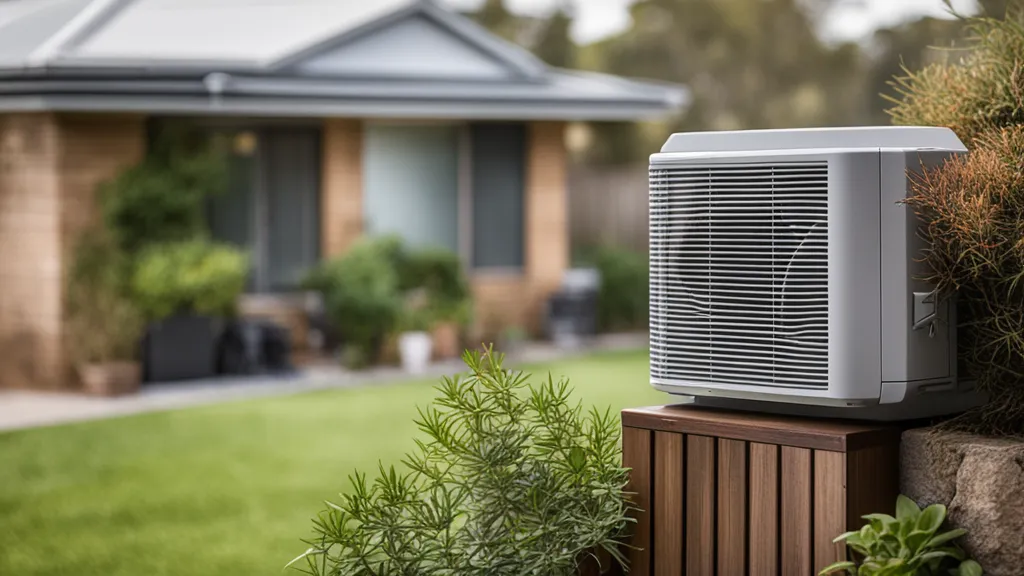
Air conditioning units are essential for comfort in Gawler, Barossa, Angle Vale, and Evanston homes and businesses, especially during warmer months. When an AC unit encounters an issue, it can often be traced back to an electrical fault. Understanding some common electrical problems can help property owners in the region identify when professional intervention is necessary. This guide focuses specifically on electrical troubleshooting for AC units, offering insights into typical scenarios you might encounter.
For a more comprehensive overview of air conditioning electrical services, including installation and maintenance, you can find full context on the broader topic on our dedicated page: Air Conditioning Electrical Services.
Understanding AC Electrical Faults
When an air conditioner isn’t working as expected, the problem can sometimes originate from its electrical supply or internal components. Unlike mechanical issues, electrical faults often present with specific symptoms that point towards the power source, wiring, or a component failure. Addressing these issues safely and correctly requires expertise.
Common Electrical Fault: Circuit Breaker Tripping
One of the most frequent electrical issues with AC units is a tripped circuit breaker. This happens when the electrical circuit draws too much current, causing the breaker to cut power to prevent overheating and potential fire hazards. In cases where an AC unit repeatedly trips its breaker, it often signals an underlying electrical problem rather than just an overload from other appliances.
- Overloaded Circuit: What often causes issues is an AC unit, especially an older one or a large system, drawing more power than its dedicated circuit can handle. This can occur if other high-draw appliances are on the same circuit.
- Short Circuit: A more serious cause could be a short circuit within the AC unit itself, or in the wiring leading to it. This can happen due to damaged insulation, loose connections, or internal component failure. When this applies, a sudden trip without any apparent overload is common.
- Failing Components: Components like the compressor or fan motor can develop electrical faults over time. As they begin to fail, they may draw excessive current, leading to breaker trips.
Resetting a tripped breaker once might resolve a minor, temporary overload. However, if the breaker trips immediately after being reset, or does so frequently, it’s a strong indication of a persistent electrical fault that requires immediate attention from a qualified Emergency Electrician Gawler.
AC Unit Not Turning On
An AC unit that completely fails to power on often points to an issue with its electrical supply. This can be frustrating, particularly during a hot Gawler summer.
- No Power Supply: The most straightforward cause is a lack of power. This might be due to a tripped circuit breaker that hasn’t been noticed, a blown fuse in the outdoor disconnect, or an issue with the main electrical panel.
- Thermostat Issues: While not strictly an electrical fault of the AC unit itself, a malfunctioning thermostat can prevent the unit from receiving the
Frequently Asked Questions
Why does my AC keep tripping the breaker?
Frequent breaker trips often signal an overloaded circuit, a short circuit within the unit or wiring, or failing internal components drawing too much power. This requires professional evaluation.What if my AC unit won’t turn on?
If your AC unit isn’t turning on, check if the circuit breaker is tripped or if there’s a problem with the thermostat. It could also indicate an issue with the unit’s contactor.Is it safe to keep resetting a tripped AC breaker?
No, repeatedly resetting a tripped breaker for your AC unit is unsafe. It can indicate a serious electrical fault that needs immediate inspection by a qualified electrician to prevent further damage or hazards.People Also Ask
How do I know if my AC electrical wiring is bad?
Signs of bad AC electrical wiring can include frequent circuit breaker trips, flickering lights when the AC runs, or a burning smell near the unit or electrical panel. These symptoms often indicate damaged insulation or loose connections that require immediate inspection. A humming sound from the outdoor unit without the fan or compressor engaging can also suggest a wiring fault or a failing capacitor, which impacts the electrical startup.What does a bad AC contactor do?
A bad AC contactor can prevent your air conditioning unit from turning on or cause it to cycle on and off erratically. The contactor is an electrical switch that powers the outdoor unit’s compressor and fan. If it’s faulty, you might hear a clicking sound but the unit doesn’t start, or it may not make any sound at all when the thermostat calls for cooling. Visible signs of a failing contactor can include pitted or burnt contacts, which hinder proper electrical flow.Can low voltage damage an AC unit?
Yes, low voltage can significantly damage an AC unit’s electrical components, particularly the compressor and motors, over time. When an AC unit operates on consistently low voltage, its motors and compressor must work harder to perform their functions, leading to increased heat and premature wear. This sustained stress can shorten the lifespan of the unit and lead to costly repairs for components like the compressor, which is often the most expensive part of an AC system. It can also cause the unit to draw excessive current, potentially leading to frequent circuit breaker trips.What causes AC unit electrical surges?
AC unit electrical surges can be caused by external factors like lightning strikes or utility grid fluctuations, or internal issues such as faulty wiring or sudden changes in power demand within a property. These surges are brief but powerful increases in voltage that can damage sensitive electrical components within the air conditioner. While external factors are beyond immediate control, proper wiring and dedicated circuits can help mitigate risks from internal issues, and surge protectors offer a layer of defense against both types of surges, especially in areas prone to electrical instability.