
Living or running a business in areas like Gawler, Barossa, Angle Vale, and Evanston means understanding the importance of reliable power. Power outages, whether due to severe weather, grid issues, or unexpected faults, can disrupt daily life and business operations significantly. This is where generator installation and backup power solutions become essential, offering a safeguard against such interruptions. Understanding what these solutions entail is crucial for ensuring continuous power when you need it most.
Why Backup Power Matters for Gawler, Barossa, Angle Vale, and Evanston
For both residential homeowners and business owners in our region, a stable power supply isn’t just a convenience; it’s often a necessity. Residential properties rely on electricity for heating, cooling, refrigeration, security systems, and communication. Businesses, from small shops in Gawler to agricultural operations in the Barossa, depend on power for productivity, data integrity, security, and maintaining critical environmental controls. A well-planned backup power system can prevent financial losses, maintain comfort, and ensure safety during an outage.
Understanding Generator Types for Local Applications
When considering backup power, two primary types of generators are usually discussed: portable and standby.
Portable Generators
- Functionality: These generators are manually operated and typically wheeled into position when needed. They require manual starting and connection to specific appliances or a transfer switch.
- Fuel: Often run on petrol or LPG.
- Application: Suitable for powering essential circuits or a few critical appliances in a home, or for small, temporary business needs. They are a more budget-friendly option for occasional, short-term outages.
Standby Generators
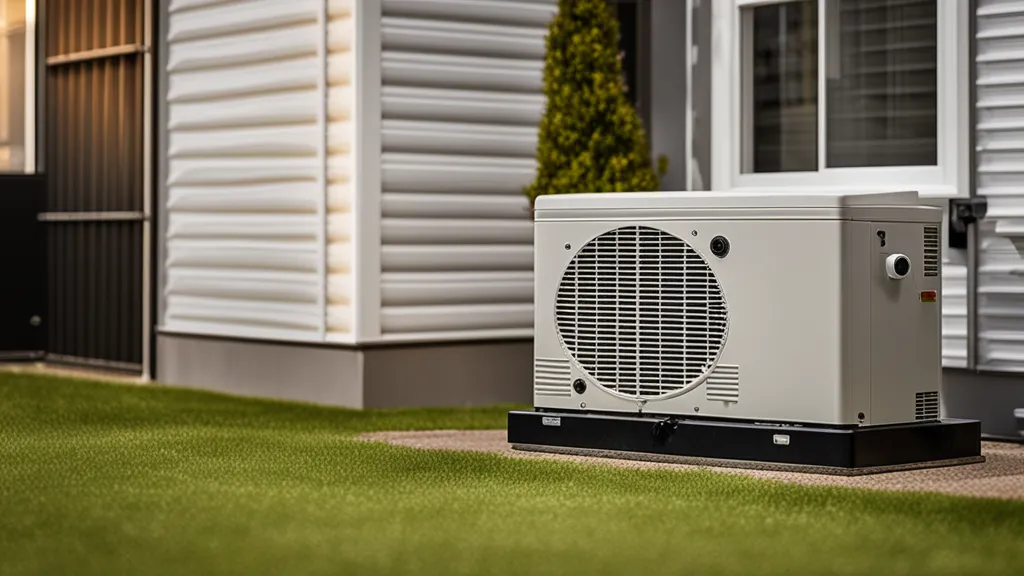
- Functionality: Standby generators are permanently installed outside your home or business, similar to an air conditioning unit. They are connected directly to your electrical system via an automatic transfer switch. When the main power fails, the transfer switch detects the outage and starts the generator automatically, usually within seconds. When main power returns, the system reverses the process.
- Fuel: Typically run on natural gas or propane, connected to your property’s existing fuel supply.
- Application: Ideal for whole-home or whole-business backup, providing seamless power during extended outages. They offer convenience and peace of mind, especially for critical systems like medical equipment, extensive refrigeration, or business servers.
Key Considerations Before Generator Installation
Choosing and installing a generator isn’t a simple task; it involves several important decisions to ensure the system meets your specific needs and complies with local regulations in Gawler, Barossa, Angle Vale, and Evanston.
Assessing Your Power Needs
Before any installation, you’ll need to determine what you want to power during an outage. For residential homeowners, this might mean essential circuits like the fridge, lights, and a few outlets. For businesses, it could involve critical machinery, computer systems, security lighting, and essential heating or cooling. An accurate assessment helps size the generator correctly, preventing overload or unnecessary expense.
Fuel Options
The choice of fuel is a significant factor. Natural gas offers a continuous supply from your utility, eliminating the need for refueling. Propane requires a storage tank but can be a good option where natural gas isn’t available. Diesel generators are common for larger commercial applications but require regular refueling and maintenance.
Placement and Safety Regulations
Generators produce exhaust fumes (carbon monoxide) and noise. Proper placement is critical to ensure safety and comply with local council noise ordinances. Generators must be installed a safe distance from windows, doors, and vents to prevent fumes from entering buildings. Clearances for maintenance and fire safety are also vital. Consulting with a qualified local electrical services provider ensures compliance with these regulations.
Local Electrical Codes
Generator installations must adhere to Australian Electrical Standards (AS/NZS 3000) and any specific local council requirements in your area. This includes proper wiring, grounding, and the installation of an appropriate transfer switch. Non-compliance can lead to safety hazards and may void insurance policies.
The Professional Installation Process
Generator installation is a complex electrical task that should always be handled by a licensed electrician. Here’s a general overview of the steps involved:
- Site Assessment: A professional will evaluate your property, electrical panel, and fuel supply to recommend the best generator type and size.
- Permitting: Depending on your location within Gawler, Barossa, or surrounding towns, permits may be required. An experienced Gawler Barossa Electrician can guide you through this process.
- Foundation and Placement: A concrete pad is often poured for standby generators to provide a stable, level base.
- Electrical Connection: This is the most critical step. The generator is wired into your home or business’s electrical system, typically through an automatic transfer switch. This switch safely isolates your property from the utility grid during an outage, preventing back-feeding that could endanger utility workers.
- Fuel Line Connection: The generator’s fuel system is connected to your chosen fuel source by a qualified technician.
- Testing and Commissioning: Once installed, the entire system is rigorously tested to ensure it operates correctly, including automatic startup and shutdown sequences.
Common Issues and Consequences of Improper Installation
Attempting a DIY generator installation or hiring an unqualified individual can lead to serious and costly problems. In cases where installations aren’t done correctly, safety hazards are common. What often causes issues is incorrect wiring of the transfer switch, which can lead to dangerous back-feeding of electricity onto the grid, posing a severe electrocution risk to utility workers. Another pitfall is improper ventilation, which can allow carbon monoxide to accumulate, presenting a life-threatening hazard inside a building. When local electrical codes are not followed, consequences include fines, mandatory re-work, or even the disconnection of your system. Furthermore, an improperly installed generator may not function when you need it most, leaving your home or business without power during critical times. This highlights why engaging a professional for residential electrical services Gawler or business setups is paramount.
Maintenance for Generator Reliability
Like any complex machinery, generators require regular maintenance to ensure they’re ready to perform when called upon. This involves routine checks of fuel levels, oil changes, battery checks, and general inspections of components. Many standby generators have self-test features, but a professional service check by a domestic electrician Gawler or commercial electrical specialist periodically is highly recommended. This preventative approach helps catch potential issues before they lead to a failure during a power outage, ensuring your backup system is reliable for your home or business.
Ensuring Uninterrupted Power
Investing in a generator and backup power solution provides a vital layer of security and convenience for homeowners and businesses in Gawler, Barossa, Angle Vale, and Evanston. While the installation process requires careful planning and professional expertise, the peace of mind that comes from knowing you’re prepared for power outages is invaluable. For information on related electrical services, including Air Conditioning Electrical Services, you can explore further details here. Consult a licensed professional for your specific situation to ensure a safe and effective backup power solution.