
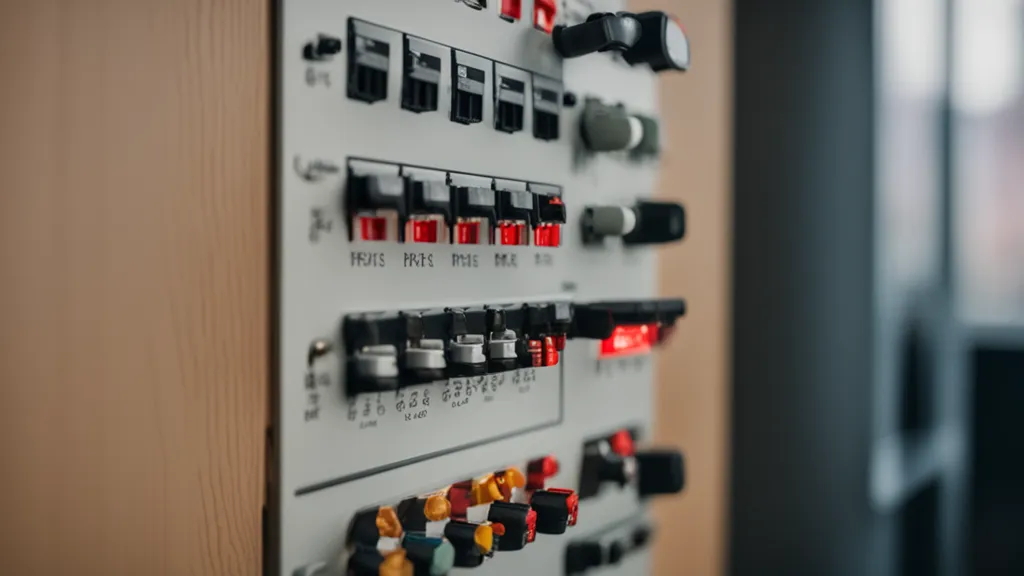
When considering air conditioning installations in Angle Vale, residential homeowners and business owners alike often focus on the unit’s efficiency and cooling capacity. However, a critical, often overlooked aspect is the underlying electrical safety and compliance. Ensuring that your AC system’s electrical components meet current Australian standards and local regulations is not just about avoiding fines; it is fundamentally about protecting property and lives. This page delves into the specifics of electrical safety and compliance for air conditioning installations, a vital part of comprehensive air conditioning electrical services.
Understanding Electrical Compliance for AC in Angle Vale
The Australian electrical landscape is governed by stringent standards designed to ensure safety across all electrical installations. For air conditioning systems in Angle Vale, the primary standard is AS/NZS 3000, commonly known as the ‘Wiring Rules’. This standard dictates everything from wiring methods and circuit protection to earthing requirements and the placement of electrical components. Adherence to these rules is non-negotiable for any licensed electrician.
Many situations involve upgrading existing electrical infrastructure to accommodate a new AC unit. What usually causes problems is when an older property’s switchboard or wiring cannot safely handle the increased load of a modern air conditioner. Compliance in these scenarios often means assessing the entire electrical system, not just the connection point for the AC unit. This holistic approach helps prevent overloading, short circuits, and potential fires.
Key Aspects of AC Electrical Safety and Compliance
Several critical elements contribute to a compliant and safe air conditioning electrical installation. Understanding these can help Angle Vale residents and businesses appreciate the diligence required from a qualified electrician.
- Dedicated Circuits: Modern air conditioners, especially larger split systems or ducted units, typically require their own dedicated electrical circuit. This means the AC unit has its own circuit breaker in the switchboard, preventing it from overloading circuits shared with other appliances. Overloaded circuits are a common cause of tripping breakers and can pose a fire risk.
- Appropriate Wiring and Cable Sizing: The size and type of electrical cable used must match the AC unit’s power requirements. Undersized wiring can overheat, leading to insulation breakdown and a significant fire hazard. An electrician will calculate the correct cable size based on the unit’s power consumption and the length of the circuit run.
- Residual Current Devices (RCDs) / Safety Switches: All new AC circuits, and often existing ones when upgrades occur, must be protected by RCDs. These devices rapidly cut power if an electrical fault is detected, providing crucial protection against electric shock. Common scenarios include accidental damage to external wiring or internal component failures.
- Earthing and Bonding: Proper earthing ensures that in the event of an electrical fault, current is safely diverted to the ground, preventing dangerous voltage build-up on metal parts of the AC unit. This is a fundamental safety measure against electric shock.
- Outdoor Unit Protection: Outdoor AC units are exposed to the elements. Their electrical connections and components must be weatherproofed and protected against physical damage. This includes using appropriate conduits and junction boxes that meet IP (Ingress Protection) ratings suitable for outdoor use.
The Role of a Licensed Electrician in Angle Vale
For residential homeowners and business owners in Angle Vale, Barossa, and Evanston, engaging a licensed electrician for AC installations is not merely a recommendation; it is a legal requirement. Unlicensed electrical work is illegal, unsafe, and will void insurance policies. A licensed electrician possesses the necessary training, qualifications, and understanding of AS/NZS 3000 and local regulations.
When a qualified electrician performs an installation, they are responsible for ensuring every aspect of the electrical connection is compliant. This includes obtaining any necessary permits, performing mandatory tests like insulation resistance and earth continuity, and issuing a Certificate of Electrical Safety upon completion. This certificate is your assurance that the work meets all regulatory requirements and is safe for operation.
Experience shows that cutting corners on electrical work can lead to expensive repairs, safety hazards, and non-compliance issues down the line. What usually causes problems is attempting DIY electrical work or hiring unlicensed individuals, which often results in incorrect wiring, inadequate circuit protection, and a lack of proper safety testing.
Inspections and Ongoing Compliance
After initial installation, maintaining compliance involves periodic checks and being aware of potential issues. While there isn’t a mandatory annual inspection for domestic AC electrical systems, it is prudent to have a qualified Residential Electrical Services Gawler professional inspect your system if you notice any anomalies. Signs of potential electrical issues include:
- Frequent tripping of circuit breakers when the AC runs.
- Burning smells emanating from the AC unit or switchboard.
- Visible damage to outdoor unit wiring.
- Flickering lights when the AC unit starts.
For business owners in Gawler or Angle Vale, regular electrical maintenance, including checks on AC systems, is often part of broader workplace health and safety obligations. A Gawler Barossa Electrician can provide scheduled maintenance to ensure ongoing safety and compliance, identifying potential issues before they escalate.
In summary, electrical safety and compliance for air conditioning installations in Angle Vale are complex but crucial. It involves adhering to national standards, understanding specific circuit requirements, and entrusting the work to licensed professionals. For more comprehensive information on air conditioning electrical services, including installations and maintenance, it is always best to consult with a local, qualified electrician.