
air conditioning repairs gawler: What You Need to Know
When an air conditioning unit stops working, homeowners and business owners in Gawler, Barossa, Angle Vale, and Evanston often face discomfort and disruption. While many issues can cause an AC to malfunction, understanding the electrical components involved in air conditioning repairs Gawler is crucial for diagnosing and resolving problems effectively. This page focuses specifically on the common electrical faults that necessitate AC repairs. For a broader overview of all air conditioning electrical services, including new installations and comprehensive maintenance, please visit Metrolec’s dedicated services page.
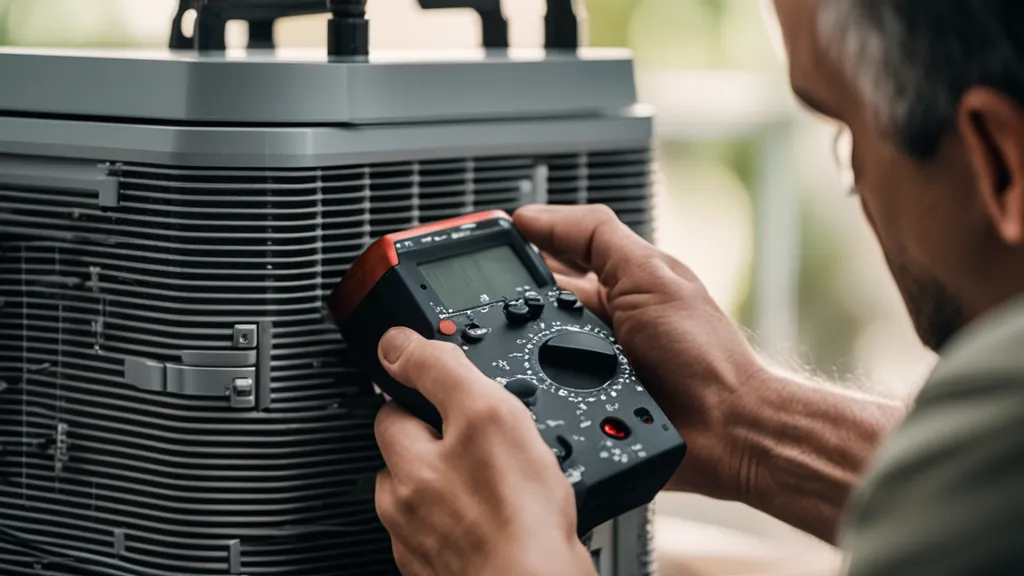
Addressing an AC breakdown often involves a methodical check of its electrical system. A sudden loss of cooling or a unit that won’t start typically points to an electrical issue. These situations demand attention from a qualified professional, as attempting DIY electrical repairs can be hazardous and may worsen the problem. The intricate wiring, high voltage, and specialized components within an AC unit require expert handling to ensure safety and proper function.
Understanding Common Electrical Faults in AC Units
Several electrical problems frequently lead to the need for domestic electrician Gawler for air conditioning repairs. Recognizing the signs can help you communicate the issue more clearly when seeking assistance.
Circuit Breaker Trips
A common scenario involves an AC unit causing the circuit breaker to trip repeatedly. This often indicates an electrical overload or a short circuit within the unit. Factors that often contribute to this include a failing fan motor, a shorted compressor, or issues with the unit’s wiring. When a breaker trips, it’s a safety mechanism preventing damage to the electrical system and potential fire hazards. Ignoring consistent trips can lead to more severe electrical problems. An Emergency Electrician Gawler would investigate the cause of the overload, checking the current draw of various components and the integrity of the wiring.
Faulty Capacitors
Capacitors are vital electrical components in AC units, responsible for storing and releasing electrical charges to start the compressor and fan motors. When a capacitor fails, the AC unit may struggle to start, hum but not turn on, or the fan may run slowly. A common symptom of a faulty capacitor is a clicking sound followed by the unit failing to operate. In cases where the capacitor completely fails, neither the fan nor the compressor will engage. This is a very specific electrical component failure that requires a professional to test and replace, as handling capacitors can be dangerous due to stored electrical charge.
Wiring Issues and Connections
Loose or corroded wiring connections are another frequent cause of AC electrical problems. Over time, vibrations, heat, and environmental factors can degrade wiring, leading to intermittent power supply or complete failure. When wiring issues are present, the unit might cycle on and off erratically, or specific components might not receive power. For instance, a loose connection to the outdoor unit’s contactor can prevent the compressor from starting. Identifying and rectifying these connections demands expertise to ensure secure and safe electrical pathways. Rodent damage to wiring is also a possibility, especially in outdoor units or attic installations.
Thermostat Electrical Malfunctions
While the thermostat itself isn’t part of the main AC unit, its electrical connection and internal wiring are crucial for the AC’s operation. A malfunctioning thermostat, or issues with its low-voltage wiring, can lead to the AC not turning on, not reaching the set temperature, or running continuously. What often causes issues is a break in the low-voltage control wiring that connects the thermostat to the indoor and outdoor units. When such a break occurs, the thermostat cannot send the necessary signals to engage the cooling cycle. Diagnosing these low-voltage circuits requires specialized tools and knowledge, often handled by a Gawler Barossa Electrician.
Fan Motor Electrical Problems
Both the indoor blower fan and the outdoor condenser fan rely on electrical power and motors to circulate air and dissipate heat. Electrical problems with these fan motors can manifest as the fan not spinning, spinning slowly, or making unusual noises. This could be due to a motor winding failure, a faulty run capacitor (mentioned above), or a problem with the motor’s power supply from the control board. When the outdoor fan fails, the unit can overheat, leading to the compressor shutting down as a safety measure. When the indoor fan fails, airflow is restricted, reducing cooling capacity significantly. These issues require detailed electrical testing to pinpoint the exact cause.
Why Professional Electrical Assessment is Key
Given the complexity and potential hazards of AC electrical systems, professional assessment is not just recommended, but often essential. A qualified 24/7 Electrical Services provider has the training, tools, and experience to safely diagnose and repair these issues. They can accurately identify overloaded circuits, test capacitors for proper function, trace wiring faults, and ensure all connections are secure and up to code. Attempting to repair these components without proper knowledge can lead to further damage, personal injury, or even fire. For homeowners and businesses in Gawler, Barossa, Angle Vale, and Evanston, ensuring your AC’s electrical system is in good hands means reliable cooling and peace of mind.