
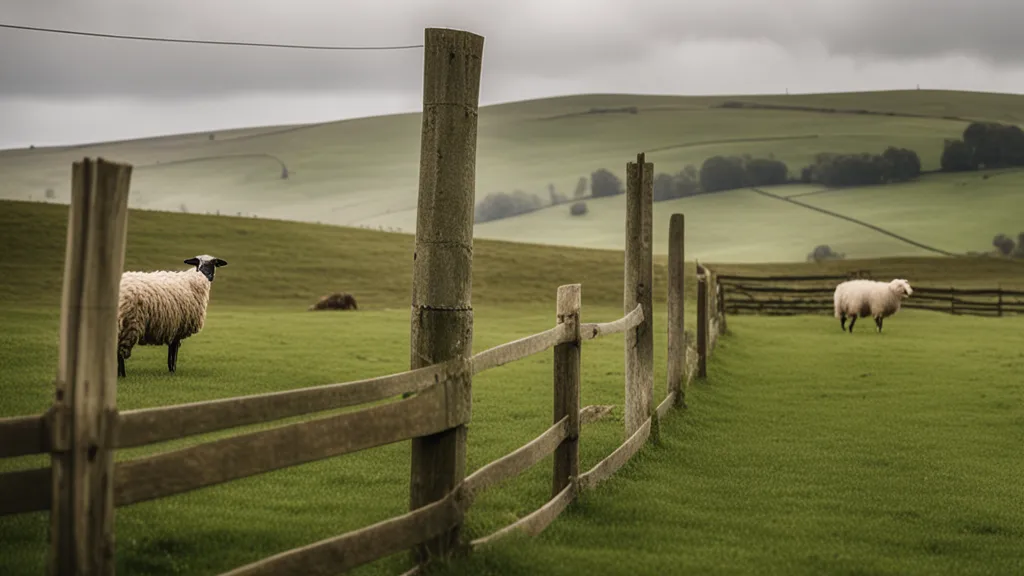
TL;DR: In British land law, a common is a piece of land owned by one party over which other individuals possess defined rights to use natural resources. Full context on broader property services and infrastructure options is available at Air Conditioning Electrical Services.
Understanding Common Land in Great Britain
In British geography and property law, a common refers to a specific parcel of land over which certain individuals hold customary legal rights despite not holding legal ownership of the ground itself. The underlying title to the soil usually belongs to a single landowner, such as a local authority, a private estate, or a conservation trust. Those who hold rights over the land are historically referred to as commoners. This distinction between land ownership and user rights creates a unique framework that dates back to the medieval manorial system in England and Wales.
While common land is often perceived by the public as open property free for unrestricted public use, it remains subject to strict legal boundaries and regulations. Understanding how a common operates requires examining the specific rights attached to the land title, statutory registration requirements, and modern environmental protections. For property owners interested in modern utility management across regional regions like Gawler or the Barossa, reviewing related guides from a Domestic Electrician Gawler provides essential insight into local infrastructure standards.
The Legal Framework of Soil Ownership and Common Rights
The defining characteristic of British common land is the separation of soil ownership from the right to harvest or use the land natural yields. The owner of the soil retains rights to the underlying minerals and overall property title, but cannot interfere with the registered rights of commoners without formal legal procedures.
Historical Development of the Manorial System
During the medieval era, manorial estates consisted of the lord demesne land alongside waste land that was left uncultivated. Local tenant farmers relied on this waste land to sustain their agricultural activities. Over centuries, these customary practices hardened into recognized legal rights under English common law. The enclosure acts of the eighteenth and nineteenth centuries reduced the overall area of common land, but millions of acres were preserved across rural and urban landscapes.
The Commons Registration Act 1965
Prior to the mid twentieth century, disputes over common land boundaries and eligible commoners were frequent. The Commons Registration Act 1965 required local authorities in England and Wales to compile official registers of common land, town greens, and associated rights. Land or rights that were not registered during the designated statutory registration period generally lost their legal status as commons. This legislative effort created a clear record of public and private rights across Great Britain.
Traditional Rights of Common
Rights of common are legally categorized based on the specific resource or benefit that commoners are entitled to collect. These rights are usually attached to a specific piece of nearby land or property, known as rights appurtenant or appendant.
- Pasture: The legal right to graze specific farm animals, such as sheep, cattle, or horses, on the common land during designated periods of the year.
- Pannage: The right to allow pigs to forage in wooded common areas during autumn to feed on fallen acorns, beechmast, and chestnuts.
- Turbary: The right to cut and harvest turf or peat from the common land strictly for use as fuel in the commoner domestic dwelling.
- Estover: The right to take wood or timber from the common to repair domestic buildings, maintain fences, or provide household firewood.
- Piscary: The right to catch fish for personal consumption from non navigable streams, ponds, or lakes situated within the common land boundary.
- Common in Soil: The right to dig for subsoil materials such as sand, gravel, clay, or stone to construct or repair buildings on the commoner property.
In cases where property modifications require specialized trade support, home owners and business operators often seek assistance from a Gawler Barossa Electrician or consult providers offering Residential Electrical Services Gawler to ensure modern systems comply with applicable standards.
Modern Regulation and Public Access to Common Land
The legal landscape surrounding British common land shifted significantly with the passage of modern environmental and public access legislation in the late twentieth and early twenty-first centuries.
Countryside and Rights of Way Act 2000
The Countryside and Rights of Way Act 2000, commonly referred to as the CROW Act, granted the public a statutory right of access on foot to open countryside, including registered common land in England and Wales. This right allows individuals to enter commons for outdoor recreation such as walking, running, and bird watching, provided they observe specified codes of conduct and respect seasonal restrictions designed to protect nesting birds or grazing livestock.
The Commons Act 2006
To address lingering administrative gaps from previous legislation, the Commons Act 2006 established updated protocols for managing common land. This law prevents the illegal enclosure or development of common land, improves registration accuracy, and empowers commoners to establish formal statutory association committees to manage grazing stock and land maintenance effectively.
Ecological Significance and Land Management Today
Today, common land represents some of the most ecologically valuable habitats in Great Britain, including lowland heaths, upland moors, ancient woodlands, and coastal marshes. Because many commons escaped intensive agricultural cultivation and chemical treatments, they support diverse species of wild plants, insects, and birdlife. Managing these landscapes requires ongoing cooperation between private landowners, active commoners, national park authorities, and conservation organizations like Natural England.
When managing infrastructure, whether historical sites or modern domestic installations, taking preventative action prevents long term system failure. Homeowners requiring technical assessments or urgent repairs can rely on Emergency Electrician Gawler or scheduled 24/7 Electrical Services to ensure property safety.
Consult a licensed professional for your specific situation before undertaking major structural or service changes near registered land or modern utilities.