
TL;DR: Regular electrical maintenance for your air conditioning unit helps prevent unexpected breakdowns, ensures efficient operation, and can significantly extend its lifespan by addressing common electrical issues before they escalate. This is particularly important for homes and businesses across Gawler, Barossa, Angle Vale, and Evanston to avoid inconvenient power disruptions and costly repairs.
Understanding the Electrical Demands of Your AC System
Air conditioning units, whether for residential comfort or business operations, rely on a complex electrical system to function effectively. From the compressor and fan motors to the control boards and thermostats, every component requires a stable and correctly managed electrical supply. Over time, various factors can degrade these electrical connections and components, leading to decreased performance or complete failure.
For a comprehensive understanding of all aspects of air conditioning electrical services, including installation and repair, you can find more detailed information on our main page about Air Conditioning Electrical Services.
Common Electrical Pitfalls in AC Units
Neglecting the electrical side of your AC unit can lead to several common issues. In scenarios where wiring is compromised, such as from rodent damage or age, there’s a risk of shorts or open circuits. What often causes issues is the accumulation of dust and debris on electrical contacts and circuit boards, which can lead to overheating and component failure. When high humidity applies, corrosion on terminals is common, impairing conductivity and increasing resistance.
- Worn or Damaged Wiring: Vibrations, heat cycles, and external factors can cause insulation to degrade, exposing conductors and creating potential short circuits. This is a significant concern for fire safety.
- Loose Connections: Over time, terminal screws can loosen due to thermal expansion and contraction, leading to intermittent power, arcing, and localized heat buildup.
- Capacitor Failure: Capacitors are vital electrical components that help start motors and maintain their efficiency. They can degrade and fail, often due to heat, causing the unit to struggle to start or run inefficiently.
- Contactor Problems: The contactor is an electrical switch that powers the outdoor unit. Pitted or burnt contacts, often caused by frequent cycling or high current, can prevent the unit from receiving power.
- Control Board Issues: The electronic control board manages the unit’s operations. Surges, age, or manufacturing defects can lead to failures, resulting in erratic behavior or complete shutdown.
- Overloaded Circuits: An AC unit drawing too much current can trip circuit breakers repeatedly, indicating an underlying electrical problem that needs attention to prevent damage to the unit or the home’s electrical system.
The Benefits of Regular Electrical Inspections
Preventative electrical maintenance for your AC unit involves a thorough inspection and testing of these critical electrical components. This proactive approach helps identify potential problems before they escalate into major breakdowns, which can be particularly disruptive during a hot Gawler summer or a busy day for a Barossa business.
Preventing Unexpected Breakdowns
One of the primary advantages of regular electrical checks is the prevention of sudden failures. An electrician can detect early signs of wear, such as discolored wiring, loose terminals, or bulging capacitors, that an untrained eye might miss. Addressing these minor issues promptly can save homeowners and business owners in Angle Vale and Evanston from the inconvenience and discomfort of an AC unit failing on the hottest day of the year.
Enhancing Efficiency and Extending Lifespan
When electrical components are in optimal condition, the AC unit doesn’t have to work harder than necessary. Clean contacts and properly functioning capacitors ensure motors start smoothly and run efficiently, reducing energy consumption. This can lead to noticeable savings on electricity bills. Furthermore, by preventing electrical stress on the system, the overall lifespan of the air conditioning unit is extended, delaying the need for costly replacements.
Ensuring Safety
Electrical faults, especially in high-power appliances like AC units, pose safety risks, including fire hazards and electrical shocks. Preventative maintenance includes checking for proper grounding, insulation integrity, and correct circuit breaker sizing. This helps ensure the electrical system is operating safely for everyone on the property.
What Preventative Electrical Maintenance Involves
When a qualified electrician performs preventative electrical maintenance on your AC unit, they typically focus on several key areas:
- Wiring Inspection: Checking all internal and external wiring for signs of wear, fraying, or damage. This includes verifying secure connections at terminals and ensuring proper insulation.
- Component Testing: Testing capacitors, contactors, and relays for correct operation and measuring their values to ensure they are within manufacturer specifications.
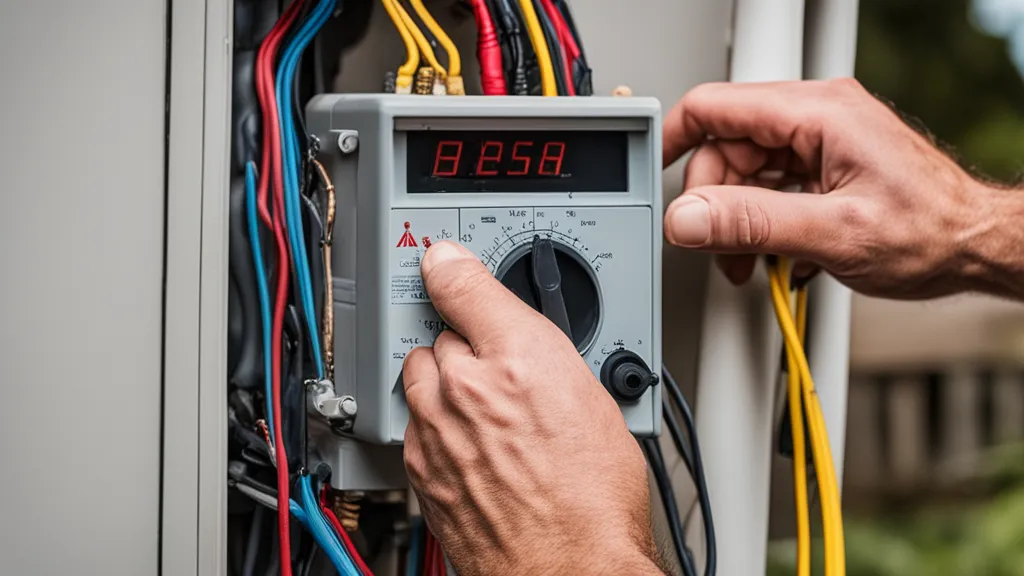
- Voltage and Current Checks: Measuring the voltage supply and current draw of the unit’s motors and compressor. Deviations from normal can indicate impending issues or an inefficient unit.
- Circuit Breaker Assessment: Ensuring the dedicated circuit breaker for the AC unit is correctly sized and functioning, preventing overloads.
- Cleaning Electrical Contacts: Removing dust, dirt, and corrosion from electrical connections to ensure optimal conductivity and prevent overheating.
By focusing on these electrical aspects, preventative maintenance helps maintain the integrity and safety of your AC system’s power supply. For any electrical concerns related to your air conditioning or other residential electrical services in Gawler, it’s always prudent to consult with a local professional.