
Urgent Hot Water System Electrical Faults in Gawler and Barossa
Experiencing a sudden loss of hot water or noticing electrical issues with your hot water system can be incredibly disruptive for homeowners and businesses alike. When such problems arise, especially in areas like Gawler, Barossa, Angle Vale, and Evanston, immediate attention from a qualified electrician is paramount. These situations fall under the broader category of emergency electrical services, which you can learn more about by visiting our Emergency Electrician Gawler page. This article focuses specifically on the urgent electrical repairs needed for hot water systems, ensuring you understand the common issues and the importance of professional intervention.
Recognizing Electrical Problems with Your Hot Water System
Hot water systems rely heavily on their electrical components to function correctly. A malfunction can manifest in several ways, signaling the need for prompt electrical repair. Common scenarios include:
- No Hot Water: This is the most obvious sign. While it could be a plumbing issue, it very often points to an electrical fault preventing the heating element from engaging.
- Tripping Circuit Breakers: If your hot water system causes the circuit breaker to trip repeatedly, it indicates an electrical overload or short circuit within the system. This is a critical safety concern.
- Strange Noises or Burning Smells: Any unusual sounds like buzzing or humming, or the distinct smell of burning plastic or ozone near the hot water unit, are serious indicators of electrical trouble.
- Visible Damage: Frayed wires, scorch marks, or damaged outlets connected to the hot water system are immediate red flags.
What usually causes problems is a failure in the heating element, the thermostat, or the associated wiring. Diagnosing these requires specific tools and expertise, making DIY attempts risky and potentially dangerous.
The Dangers of DIY Electrical Repairs
Attempting to fix electrical problems on a hot water system without proper training and equipment can lead to severe consequences. Electricity and water are a dangerous combination. Potential risks include:
- Electric Shock: Direct contact with live wires can cause serious injury or even be fatal.
- Fire Hazard: Incorrect wiring or faulty repairs can lead to overheating, sparking, and electrical fires.
- Further Damage: Improper troubleshooting can exacerbate the existing problem, leading to more extensive and costly repairs, or even requiring a full system replacement.
- Voided Warranties: Many manufacturers’ warranties become void if repairs are not carried out by a licensed professional.
For these reasons, it is always advisable to contact a qualified Gawler Barossa Electrician when faced with an emergency hot water system electrical fault. They possess the knowledge, tools, and safety protocols to address the issue safely and effectively.
Common Electrical Faults and Their Solutions
Many situations involve specific electrical components failing within the hot water system. Understanding these can help you describe the problem to your electrician:
- Heating Element Failure: The heating element is responsible for warming the water. If it fails electrically, it won’t heat up, resulting in cold water. An electrician can test its continuity and replace it if necessary.
- Thermostat Malfunction: The thermostat regulates the water temperature. A faulty thermostat might prevent the element from turning on, or it might cause the water to become excessively hot. Replacement of the thermostat is a common solution.
- Wiring Issues: Loose, corroded, or damaged wiring can interrupt the electrical flow, causing intermittent operation or complete failure. This often requires careful inspection and re-wiring or connection repair.
- Circuit Breaker or Fuse Problems: If the hot water system consistently trips its dedicated circuit breaker or blows a fuse, there’s an underlying electrical issue causing an overcurrent. This needs professional diagnosis to identify the source of the overload or short circuit.
- Anode Rod Issues: While primarily a plumbing component, a corroded anode rod can sometimes indirectly affect electrical elements by promoting sediment buildup, which can stress heating elements.
A qualified Domestic Electrician Gawler will systematically troubleshoot these possibilities, ensuring an accurate diagnosis and lasting repair.
What to Expect from 24/7 Electrical Services
When you call for emergency hot water system electrical repairs, a professional electrician will typically:
- Perform a Safety Check: Before any work begins, the electrician will ensure the area is safe and de-energize the system to prevent electric shock.
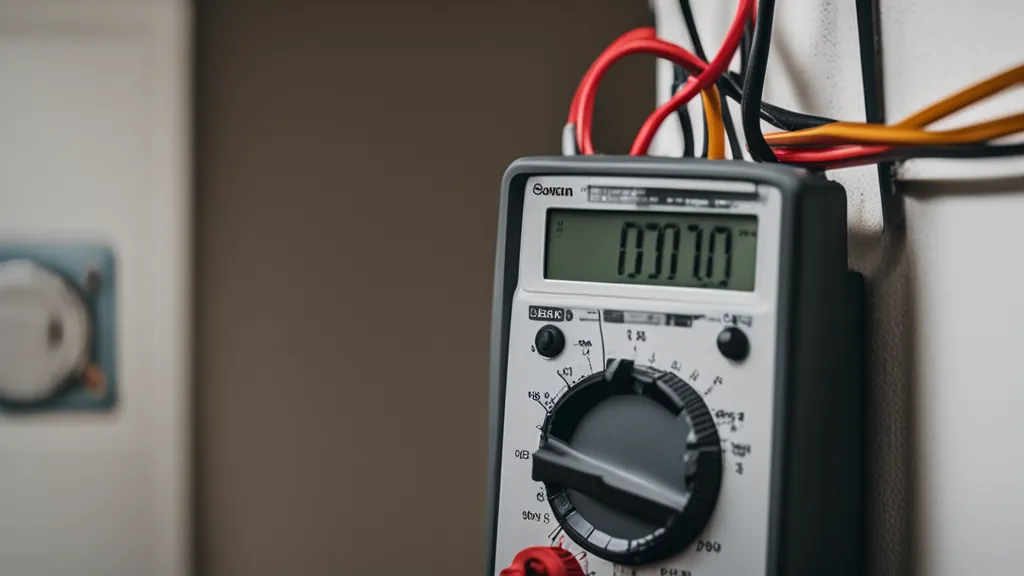
- Diagnose the Problem: Using specialized diagnostic tools like multimeters, they will test various components such as the heating element, thermostat, wiring, and circuit breaker to pinpoint the exact fault.
- Explain the Issue: The electrician will clearly explain what has gone wrong and what options are available for repair.
- Carry Out Repairs: This may involve replacing faulty components, repairing damaged wiring, or addressing issues at the electrical panel.
- Test the System: After repairs, the hot water system will be tested thoroughly to ensure it is functioning safely and correctly.
- Provide Advice: They may offer advice on maintenance or potential upgrades to prevent future issues, though the primary focus will be on the immediate repair.
Timely intervention can prevent minor issues from escalating into major system failures, saving you time, money, and inconvenience in the long run. Whether it’s for Residential Electrical Services Gawler or a business, the approach to emergency hot water system repairs prioritizes safety and efficiency.
Preventative Measures and System Longevity
While this article focuses on emergency repairs, understanding how to potentially reduce the likelihood of electrical emergencies with your hot water system is beneficial. Regular professional inspections, typically as part of a broader electrical safety check for your property, can identify potential issues before they become critical. Ensuring proper installation and maintenance from the outset can significantly extend the lifespan of your system and its electrical components. This proactive approach applies not just to hot water systems but also to other significant electrical appliances like those requiring Air Conditioning Electrical Services.
Local Emergency Electrical Support for Your Hot Water System
For residents and business owners in Gawler, Barossa, Angle Vale, and Evanston, having access to reliable emergency electrical services for hot water systems means peace of mind. Dealing with a cold shower or disrupted business operations due to a hot water system electrical fault requires a prompt and professional response. Qualified electricians understand the urgency and have the expertise to restore your hot water supply safely and efficiently, minimizing downtime and inconvenience.