
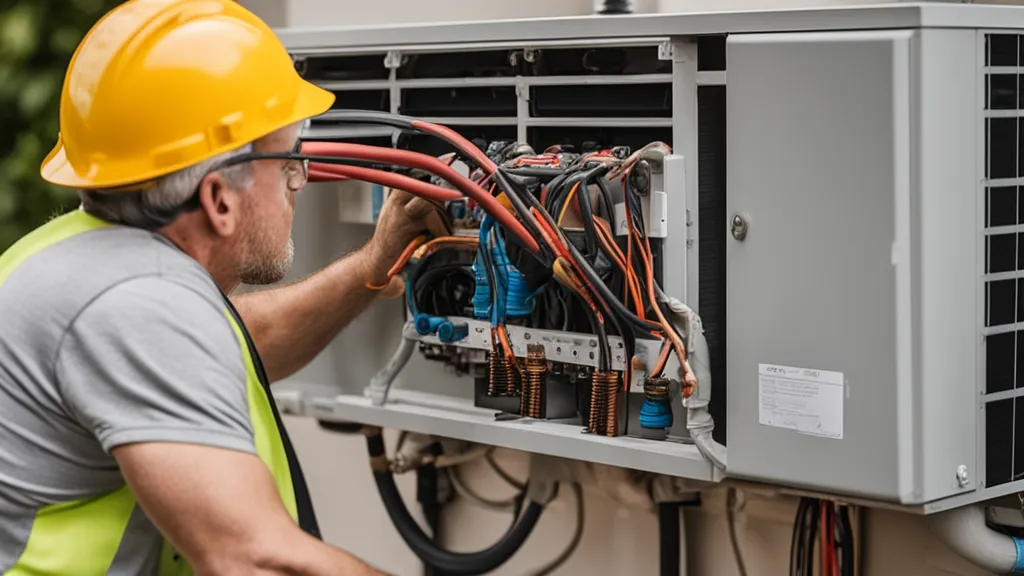
Diagnosing & Fixing Common AC Electrical Problems with Metrolec
Air conditioning systems are essential for comfort in homes and businesses across Gawler, Barossa, Angle Vale, and Evanston. While many issues can prevent an AC unit from performing optimally, electrical faults are a frequent underlying cause. Understanding these common electrical problems and knowing when to call a professional is key to maintaining a comfortable indoor environment. This article delves into typical electrical issues affecting air conditioning systems, building upon our broader discussion of air conditioning electrical services.
When an air conditioner malfunctions, the problem often traces back to its electrical components. These systems rely on a complex network of wiring, capacitors, contactors, and motors, all of which must function correctly for efficient operation. Attempting to diagnose or repair electrical problems without proper training and tools can be dangerous, potentially leading to further damage or electrical hazards. For residents and business owners in the local area, identifying the symptoms of an electrical issue is the first step towards a safe and effective solution.
Common Electrical Problems Affecting AC Units
Many situations involve various electrical components that can fail, leading to significant disruption in cooling. What usually causes problems is a combination of wear and tear, power fluctuations, or installation errors.
Tripped Circuit Breakers
- What happens: The circuit breaker protecting your AC unit trips, cutting off power.
- Causes: This can occur due to an overloaded circuit, a short circuit within the AC unit, or a failing motor drawing too much current.
- Symptoms: The entire unit or specific parts of it will not turn on.
Faulty Capacitors
- What happens: Capacitors store electrical energy and provide a power boost to start the AC’s fan and compressor motors. When they fail, motors struggle or fail to start.
- Causes: Age, heat, and power surges can degrade capacitors over time.
- Symptoms: The AC unit hums but doesn’t start, the fan spins slowly, or the compressor fails to engage.
Contactor Problems
- What happens: The contactor is an electrical switch that allows power to flow to the compressor and outdoor fan motor when activated by the thermostat. A faulty contactor prevents these critical components from receiving power.
- Causes: Pitting, corrosion, or wear on the contactor’s points can prevent it from making proper electrical contact.
- Symptoms: The outdoor unit may not turn on, or it may cycle on and off rapidly.
Wiring Issues
- What happens: Loose, frayed, or corroded wiring can disrupt the electrical flow to various AC components.
- Causes: Vibrations, pests, moisture, or improper installation can damage wiring over time.
- Symptoms: Intermittent operation, specific components failing (e.g., fan but no compressor), or even burning smells.
Thermostat Electrical Problems
- What happens: The thermostat is the control center. Electrical issues within the thermostat or its wiring can lead to inaccurate readings or failure to send commands to the AC unit.
- Causes: Battery issues, faulty wiring connections at the thermostat, or internal component failure.
- Symptoms: The AC unit doesn’t respond to thermostat settings, runs continuously, or doesn’t turn on at all.
Symptoms Indicating an AC Electrical Problem
Recognizing the signs of an electrical issue can help you act quickly. Common scenarios include:
- AC Unit Not Starting: If your air conditioner doesn’t turn on at all, or only the indoor fan runs, it’s a strong indicator of an electrical problem. This could be a tripped breaker, a faulty capacitor, or a wiring issue.
- Blowing Warm Air: While this can indicate refrigerant problems, it also points to electrical issues if the compressor isn’t receiving power or is failing to start due to a bad capacitor or contactor.
- Short Cycling: When the AC unit turns on and off too frequently, it may be due to an electrical overload, a faulty thermostat, or a failing motor.
- Strange Noises: Humming sounds without the unit starting often suggest a struggling motor or a bad capacitor. Clicking noises can indicate a faulty contactor.
- Burning Smell: An electrical burning smell requires immediate attention. This often signifies overheated wiring or a motor nearing failure, posing a fire risk. If you detect such a smell, switch off the unit immediately and contact an emergency electrician Gawler.
Why Professional Electrical Diagnosis is Crucial
While some homeowners might be tempted to troubleshoot minor issues, electrical work on AC units requires specific expertise. Many situations involve high voltage, and improper handling can lead to serious injury or further damage to the appliance and property. A qualified domestic electrician Gawler possesses the specialized tools and knowledge to safely and accurately diagnose the root cause of the electrical fault. They understand the intricacies of different AC systems and can identify components that are failing or about to fail, preventing more costly repairs down the line. Furthermore, ensuring repairs comply with local electrical codes is essential for safety and insurance purposes.
Metrolec’s Approach to AC Electrical Repairs
For homeowners and businesses in Gawler, Barossa, Angle Vale, and Evanston, Metrolec offers reliable and comprehensive air conditioning electrical services. Their skilled Gawler Barossa electrician team follows a systematic approach to diagnose and fix electrical problems:
- Thorough Inspection: A detailed visual inspection and electrical testing of all relevant components, including breakers, wiring, capacitors, contactors, and motors.
- Accurate Diagnosis: Using advanced diagnostic tools to pinpoint the exact electrical fault, avoiding guesswork.
- Safe Repair Practices: All repairs are conducted following strict safety protocols and industry standards, ensuring the longevity and safe operation of your AC unit.
- Quality Parts: Replacement parts are selected for their quality and compatibility to restore your AC unit’s performance.
When an AC unit fails, especially during peak seasons, it’s often more than an inconvenience. Metrolec understands the urgency and offers 24/7 electrical services for emergency repairs, ensuring that your electrical issues are addressed promptly and effectively, day or night. For any electrical concerns with your air conditioning system, relying on experienced professionals ensures peace of mind and a return to comfort.