
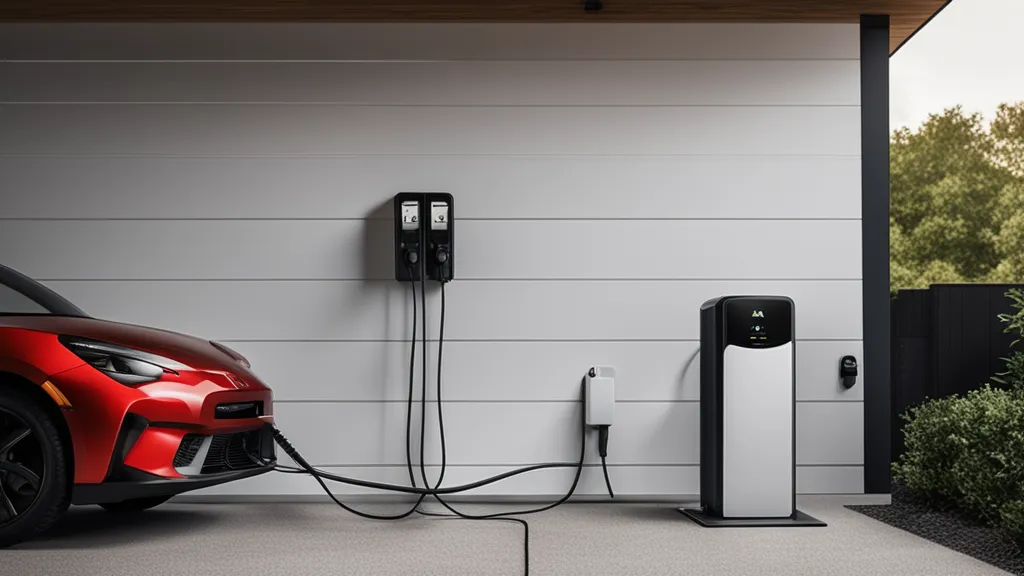
As part of comprehensive residential electrical services, equipping your home for modern demands, like electric vehicle (EV) charging, is increasingly important for homeowners in Evanston. Installing an EV charger at home offers convenience, but it requires precise electrical planning and execution to ensure safety and efficiency. This specific aspect of domestic electrical work involves understanding the unique power requirements of EV charging stations and integrating them seamlessly into your existing electrical system.
Understanding Home EV Charger Requirements in Evanston
Integrating an EV charger into a residential property isn’t a simple plug-and-play task. It often involves significant electrical considerations beyond standard outlets. Many situations involve assessing the home’s existing electrical panel capacity to determine if it can support the additional load of a Level 2 charger, which is the most common residential type. These chargers typically require a dedicated 240-volt circuit, similar to what an electric dryer or oven uses.
Key Electrical Considerations for EV Charger Installation
- Dedicated Circuitry: A primary requirement is a dedicated circuit from your electrical panel directly to the charging station. This prevents overloading existing circuits and ensures consistent power delivery.
- Panel Capacity Assessment: Common scenarios include older homes in Evanston needing an electrical panel upgrade if the current capacity is insufficient to safely handle the new EV charger alongside existing appliances. A qualified electrician will perform a load calculation to confirm this.
- Wiring Type and Gauge: The correct wire gauge is critical to safely carry the necessary current without overheating. What usually causes problems is using inadequate wiring, which can lead to fire hazards or inefficient charging.
- Ground Fault Circuit Interrupter (GFCI) Protection: Many EV chargers, especially those installed outdoors, require GFCI protection to safeguard against electrical shock.
- Permitting and Inspections: Local regulations in areas like Evanston often mandate permits and inspections for major electrical installations to ensure compliance with safety codes.
The Installation Process: What to Expect
The process of installing an EV charger involves several steps, from initial assessment to final testing. An electrician will typically begin with a site visit to evaluate your home’s electrical system and determine the optimal location for the charging station, considering factors like proximity to the electrical panel and parking area.
Safe and Compliant Wiring Practices
Ensuring the wiring for your home EV charger is safe and compliant is paramount. This includes:
- Professional Trenching: If the charger is located away from the home, such as in a detached garage or carport, underground conduit and wiring may be necessary, requiring careful trenching and protection.
- Proper Conduit Installation: All wiring must be protected within appropriate conduit, especially in exposed or outdoor environments, to shield it from physical damage and environmental elements.
- Secure Connections: All electrical connections must be tight and secure to prevent arcing or loose contacts, which can generate heat and pose a risk.
- Testing and Commissioning: After installation, the system is thoroughly tested to verify correct operation, proper grounding, and adherence to all electrical standards.
While the convenience of charging an EV at home is undeniable, the complexity of the electrical work involved means it is not a DIY task. Relying on qualified residential electrical services ensures that the installation is performed correctly, safely, and in compliance with all local codes, providing peace of mind for homeowners in Evanston.