
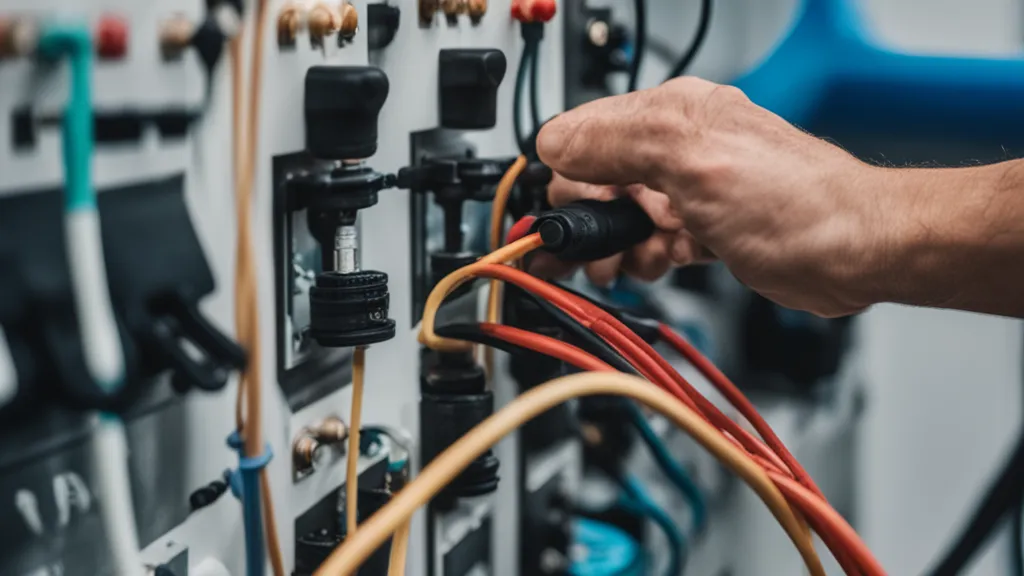
When considering enhancements for your home in the Barossa region, a swimming pool or spa can offer significant enjoyment and relaxation. However, integrating these features safely and compliantly requires specialized electrical work. This article focuses specifically on the electrical installation aspects for swimming pools and spas, a critical component of broader residential electrical services.
Understanding the unique demands of pool and spa electrical systems is essential for both safety and functionality. Many situations involve working with high-voltage equipment in close proximity to water, which inherently carries specific risks. Proper installation isn’t just about getting the system to work; it’s about adhering to stringent safety standards to protect your family and property.
Understanding Electrical Requirements for Pools and Spas
The electrical setup for swimming pools and spas is subject to strict Australian and New Zealand Standards, primarily AS/NZS 3000, which outlines wiring rules. These standards are in place to mitigate the inherent dangers of electricity and water. What usually causes problems is a lack of understanding or shortcuts taken during installation, which can lead to hazardous conditions.
Safety Standards and Essential Components
- Dedicated Circuits: Pool and spa equipment, such as pumps, heaters, and lighting, often require dedicated electrical circuits. This ensures that these high-demand appliances don’t overload existing household circuits, which could trip breakers or even cause electrical fires.
- Residual Current Devices (RCDs): Also known as safety switches, RCDs are mandatory for all circuits supplying power to pool and spa equipment. These devices rapidly cut power if an electrical fault is detected, significantly reducing the risk of electric shock. They are a crucial line of defense in wet environments.
- Equipotential Bonding: This involves connecting all conductive materials around the pool or spa (like metal ladders, handrails, and the water itself via a bonding electrode) to the main earthing system. This prevents dangerous voltage differences from occurring between metal parts, which could be lethal. Common scenarios include bonding pool fencing, heating elements, and even the pool shell if it’s conductive.
- Water Ingress Protection: All electrical fittings, outlets, and connections near a pool or spa must have an appropriate Ingress Protection (IP) rating, indicating their resistance to dust and water. This prevents water from reaching live electrical components, which is a significant safety concern.
The complexity of these requirements means that specialized knowledge is non-negotiable. Trying to manage these installations without expertise can lead to non-compliance and, more importantly, create a dangerous environment.
Key Electrical Components of Pool and Spa Systems
A typical swimming pool or spa electrical system comprises several critical components, each with specific power needs and safety considerations. The selection and installation of these components directly impact the system’s efficiency and longevity.
Pumps and Filtration Systems
The heart of any pool or spa is its pump and filtration system. These components circulate water, ensuring it remains clean and clear. Pumps vary in size and power, from standard single-speed models to energy-efficient variable-speed pumps. Their electrical connection must be robust, often requiring a dedicated circuit to handle continuous operation. The trade-offs here often involve initial cost versus long-term energy savings and performance.
Heating Elements
Many homeowners in the Barossa opt for heated pools or spas, extending their usability throughout the year. Electric heaters, heat pumps, and gas heaters all have distinct electrical requirements. Electric heaters, for instance, draw significant current and typically need substantial dedicated wiring and circuit protection. Heat pumps, while more energy-efficient, also require a dedicated power supply. Considerations include the heater’s power rating and the existing electrical capacity of the property.
Lighting and Automation
Underwater lighting enhances the aesthetic appeal and safety of pools and spas, especially at night. These lights typically operate on low voltage for safety, but their transformers and control gear still need to be correctly installed and protected from water. Modern pools and spas often incorporate automation systems for controlling pumps, heaters, lights, and even water features. These systems require precise wiring and integration into the home’s electrical network, often involving control panels and remote access capabilities. The constraints here might be the compatibility of various smart home systems or the need for a more complex control hub.
The Installation Process and Regional Considerations
Installing the electrical systems for a pool or spa is a multi-stage process that demands meticulous planning and execution. For residential homeowners and business owners in areas like Gawler, Barossa, Angle Vale, and Evanston, understanding this process can help ensure a smooth project.
Planning and Site Assessment
Before any work begins, a comprehensive site assessment is crucial. This involves evaluating the existing electrical infrastructure, determining the optimal location for equipment, and planning cable routes. Factors include the distance from the main switchboard, soil conditions for trenching, and proximity to other utilities. Many situations involve assessing the current capacity to ensure it can handle the additional load without requiring a costly upgrade to the main service.
Trenching, Conduits, and Cabling
Electrical cables for pools and spas are typically buried underground within protective conduits to prevent damage and ensure safety. Trenching needs to meet specific depth requirements, and the type of conduit (e.g., PVC or heavy-duty flexible conduit) must be suitable for underground use and resistant to environmental factors. Cable selection depends on the load requirements of the equipment and the length of the run, with larger gauge cables needed for higher current draws or longer distances to minimize voltage drop.
Bonding and Earthing
As mentioned, equipotential bonding is a non-negotiable safety measure. This involves connecting all metal components within a certain radius of the pool or spa to the main earthing system. This creates a zone where all conductive parts are at the same electrical potential, eliminating the risk of shock. What usually causes problems in this area is neglecting to bond all necessary components or using inadequate bonding materials.
Permits and Regulations
Depending on the scope of the electrical work, local council regulations and electrical safety authorities may require permits or inspections. Adhering to these regulations is vital for legal compliance and ensures the installation meets all safety benchmarks. A qualified Gawler Barossa Electrician will be familiar with these local requirements.
Maintenance and Safety Checks for Your Pool/Spa Electrics
Once your swimming pool or spa’s electrical system is installed, ongoing maintenance and regular safety checks are paramount to ensure its continued safe operation and longevity. Over time, electrical components exposed to outdoor elements can degrade, posing potential risks.
Routine Inspections and Testing
Regular visual inspections can identify early signs of wear and tear, such as frayed cables, corroded terminals, or damaged conduits. It’s advisable to test your RCDs periodically, typically every six months, by pressing the ‘test’ button. This verifies that the safety switch is functioning correctly and will trip power if a fault occurs. Common scenarios include checking for water leaks around equipment, which could compromise electrical integrity. Many homeowners find it beneficial to schedule an annual check-up with a qualified professional.
Addressing Common Issues
Corrosion is a frequent problem in pool and spa environments due to moisture and chemical exposure. This can affect wiring, terminals, and control panels. Water ingress into junction boxes or light fixtures can also lead to short circuits or equipment failure. Edge cases might include damage from extreme weather events, such as storms, or even rodent damage to buried cables. Promptly addressing these issues can prevent minor problems from escalating into major safety hazards or costly repairs. If you notice any flickering lights, strange odors, or equipment malfunctions, it’s crucial to seek professional assistance immediately to avoid a potential emergency electrical repairs situation.
Choosing a Qualified Electrician for Your Barossa Pool/Spa
Given the specialized nature and critical safety aspects of swimming pool and spa electrical installations, selecting the right professional is crucial. For homeowners and business owners in areas like Gawler, Barossa, Angle Vale, and Evanston, finding a local, licensed electrician is the best course of action.
A qualified domestic electrician Gawler or nearby will possess the necessary licenses, insurance, and specific experience with wet area electrical installations. They will be knowledgeable about the latest Australian standards (AS/NZS 3000) and local regulations, ensuring your installation is compliant and safe. This expertise is vital for navigating the constraints and trade-offs involved in selecting and installing various components.
When considering an electrician, prioritize those who can clearly explain the process, outline the safety measures they will implement, and provide transparent information regarding the scope of work. A balanced perspective on the complexity of these installations, without oversimplification, is a good indicator of trustworthiness. This approach helps ensure that your swimming pool or spa provides years of safe enjoyment.