
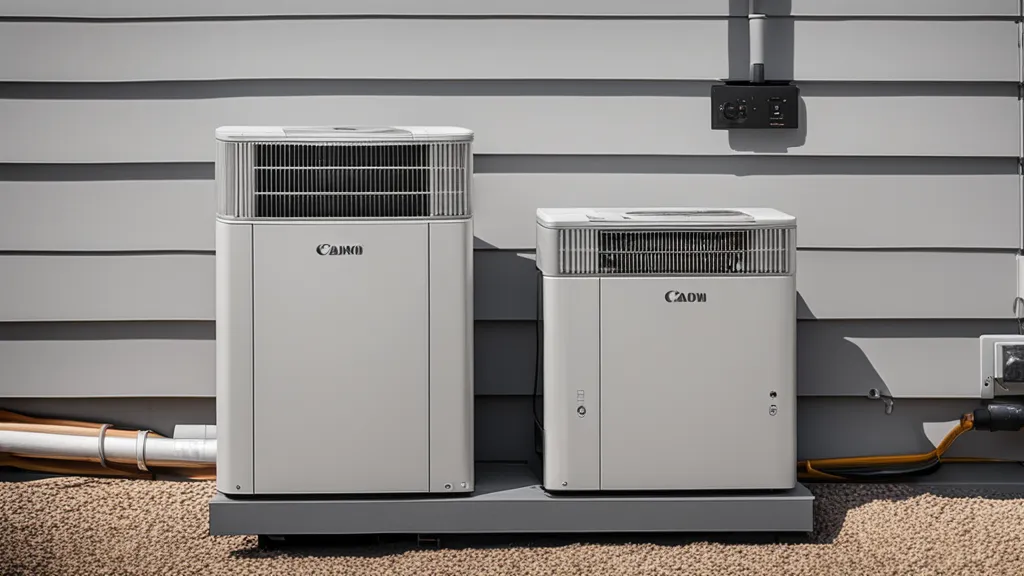
For homeowners and businesses in Gawler, Barossa, Angle Vale, and Evanston, understanding the electrical aspects of air conditioning is crucial. This specific focus on air conditioning electrical installation and wiring in Gawler homes is part of a broader commitment to comprehensive residential electrical services.
Understanding Air Conditioning Electrical Requirements
Air conditioning units, whether split systems, ducted systems, or evaporative coolers, require precise electrical planning and installation. The electrical demands of these systems vary significantly based on their size, type, and cooling capacity. Incorrect wiring or an inadequate power supply can lead to operational inefficiencies, safety hazards, and premature equipment failure. Many situations involve assessing the existing electrical infrastructure of a property to determine if it can safely support the new air conditioning load.
For instance, a smaller split system unit might only require a dedicated 15-amp circuit, while a large ducted system often necessitates a much larger circuit, potentially a new dedicated circuit from the main switchboard, or even a three-phase power supply in some commercial settings. What usually causes problems is attempting to connect a high-demand appliance to an overloaded or undersized circuit, which can trip circuit breakers or, more dangerously, lead to overheating and fire risks.
New Air Conditioner Electrical Installation
Installing a new air conditioning unit involves several critical electrical steps to ensure safety and optimal performance. The process typically begins with a thorough assessment of the property’s electrical system. This includes examining the main switchboard, circuit breaker capacity, and the existing wiring infrastructure. It is essential to ensure that the new unit will have a dedicated circuit to prevent overloading other household appliances.
- Circuit Breaker Capacity: Each air conditioning unit needs a circuit breaker sized correctly for its amperage draw. An undersized breaker will trip frequently, while an oversized one might not offer adequate protection in case of a fault.
- Dedicated Circuit: Most modern air conditioners require their own dedicated circuit directly from the main switchboard. This prevents voltage drops and ensures the unit receives a stable power supply without impacting other appliances.
- Wiring Gauge: The electrical wiring connecting the air conditioner to the switchboard must be of the appropriate gauge to safely carry the required current. Thinner wires on high-demand appliances can overheat.
- Safety Switches (RCDs): Installation of a Residual Current Device (RCD) is often a mandatory safety requirement, providing protection against electric shock.
- Outdoor Unit Power: For split and ducted systems, the outdoor compressor unit also requires a robust, weather-protected electrical connection. This often involves running cabling externally, which must be installed to Australian standards to withstand environmental factors.
Common scenarios include upgrading an older home’s electrical system to accommodate a new, more powerful air conditioning unit. This might involve replacing an older fuse box with a modern circuit breaker board or installing additional circuits. The complexity depends on the existing electrical setup and the specific requirements of the chosen air conditioner.
Air Conditioning Wiring Upgrades and Repairs
Over time, existing air conditioning wiring may deteriorate, become damaged, or simply be insufficient for an upgraded unit. Wiring upgrades are often necessary when replacing an old, less powerful air conditioner with a new, more energy-efficient but higher-demand model. Signs that wiring may need attention include frequently tripping circuit breakers when the AC is running, flickering lights when the unit starts, or visible signs of wear and tear on external cabling.
- Fault Finding: Electrical issues with air conditioners can manifest as units failing to start, intermittent operation, or unusual noises. Diagnosing these often requires specialized tools and expertise to pinpoint the exact electrical fault, which could be in the unit itself, the thermostat wiring, or the main power supply.
- Cable Damage: External cabling for outdoor units can be susceptible to damage from weather, pests, or garden activities. Repairing or replacing damaged sections is crucial for safety and continued operation.
- Thermostat Wiring: The low-voltage wiring connecting the thermostat to the indoor and outdoor units can also develop faults, leading to control issues.
- Switchboard Upgrades: In older properties, the existing switchboard might not have the capacity or the necessary safety mechanisms (like RCDs) to support modern air conditioning units. An upgrade ensures compliance and safety.
Many situations involve addressing power fluctuations that affect AC performance. This can sometimes be traced back to an overloaded circuit or aging wiring that is no longer capable of delivering consistent power. Addressing these issues proactively can extend the life of the air conditioning unit and improve its efficiency.
Electrical Safety and Compliance
Adhering to Australian electrical safety standards (AS/NZS 3000:2018 Wiring Rules) is paramount for all electrical work, especially with high-power appliances like air conditioners. Unqualified electrical work carries significant risks, including fire, electrocution, and damage to property. This is why engaging a qualified domestic electrician Gawler is not just a recommendation but a necessity.
Key safety considerations include:
- Correct Earthing: Proper earthing is vital to protect against electric shock in the event of an electrical fault.
- Isolation Switches: Air conditioning units, particularly outdoor compressors, require clearly identifiable isolation switches to safely cut power during maintenance or emergencies.
- Permit Requirements: Depending on the scope of work, certain electrical installations may require notification or inspection by regulatory bodies to ensure compliance.
- Post-Installation Testing: After any installation or repair, thorough testing is conducted to verify that all circuits are functioning correctly, safely, and efficiently. This includes insulation resistance tests, earth continuity tests, and polarity checks.
Experience shows that overlooking these safety protocols can lead to serious consequences, highlighting the importance of professional installation. For residents in Gawler, Barossa, Angle Vale, and Evanston, ensuring all electrical work is performed by licensed professionals provides peace of mind and guarantees compliance with local regulations.
Energy Efficiency and Electrical Impact
The electrical installation of an air conditioning unit also plays a role in its overall energy efficiency. A properly wired and sized system will operate more efficiently, consuming less electricity. Conversely, an undersized circuit or poor connections can lead to increased energy consumption as the unit struggles to perform optimally.
Considerations for energy efficiency include:
- Voltage Drop: Long runs of undersized cable can cause voltage drop, making the air conditioner work harder and use more power.
- Power Factor Correction: In some larger commercial installations, power factor correction might be considered to improve efficiency and reduce electricity costs.
- Smart Home Integration: Electrical planning can also accommodate integration with smart home systems, allowing for optimized scheduling and remote control, further enhancing energy savings.
Many situations involve homeowners looking to replace older, less efficient units with newer, inverter-technology air conditioners. While these new units are designed to be more efficient, their proper electrical installation is critical to realize those savings. An Air Conditioning Electrical Services professional can ensure that the electrical setup complements the efficiency features of the new unit.
For any electrical needs related to air conditioning in your Gawler home or business, from initial installation to upgrades and repairs, understanding these electrical nuances is important. Engaging a qualified electrician ensures that your system is installed safely, efficiently, and in compliance with all relevant standards.